-
Mad Men Challenge 3


For some unknown reason, I’ve never taken part in one of the official Mad Men Challenges… Until NOW!
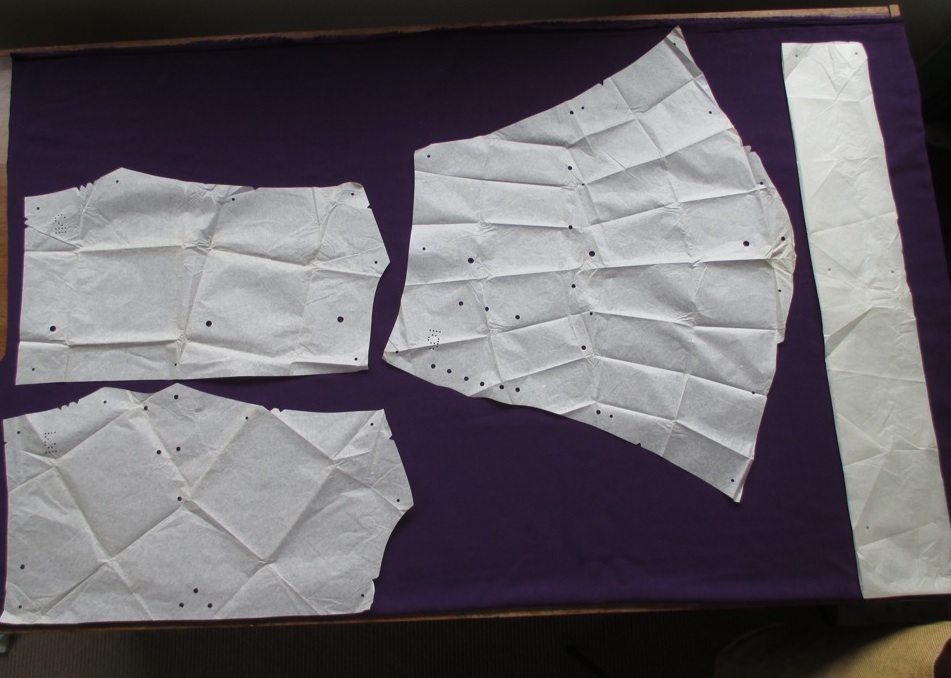
Julia Bobbin is hosting the Mad Men Dress Challenge III, the pattern I chose to work with is Butterick 9497.
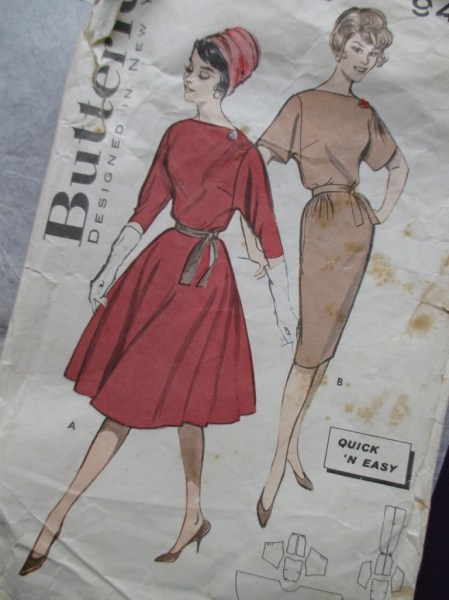
The character that has inspired this is Bobbie Barret, she famously appears in season two, as the wife of notorious comedian Jimmy Barret. Turns out she is not only a snappy dresser, but the brains behind his success. I love her coat and hat ensembles, she is just SO stylish, and a complex character, both powerful and vulnerable. I searched for some images just so you know what I’m talking about, when I found this post all about Bobbie! Here she is enjoying a martini…

And here she is wearing a lovely outfit, coat, dress and hat. Fabulous.

In the meantime, more about the pattern and the fabric.
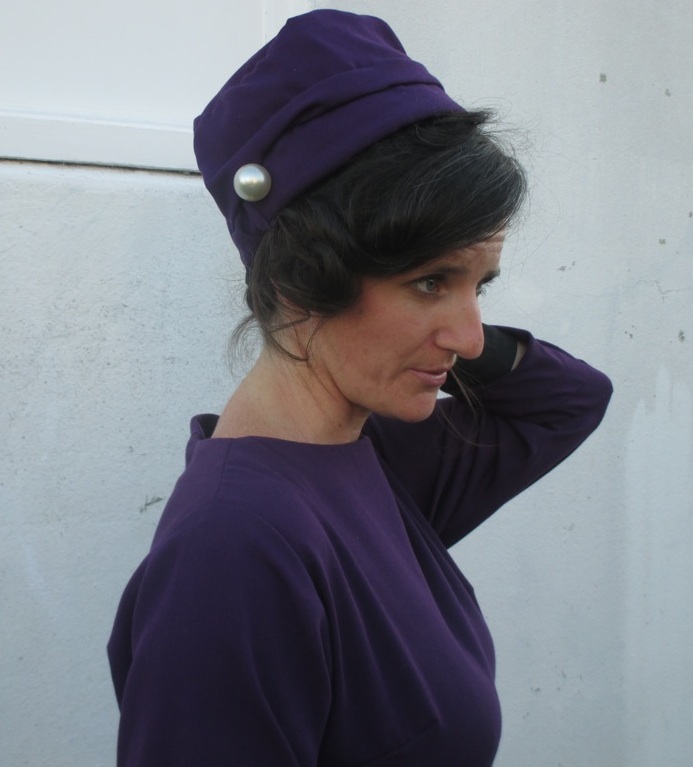
This dress has two skirt and sleeve length options, I opted for the slim skirt and long sleeves, I think that’s what Bobbie would do. I decided to make a matching hat….. As I KNOW that’s what Bobbie would wear. The hat looked great all pinned and draped, but I think it lost something when I hand finished it…
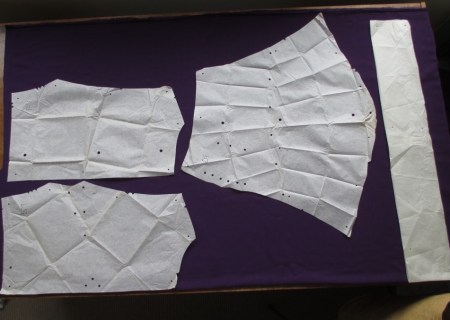
In the centre above is the sleeve ! I thought would be a bit over top, and not my style, but actually I really enjoy the shape and find it flattering. Overall, it is one of the easiest dresses I’ve sewn, so another to make again, perhaps in the full skirted version.
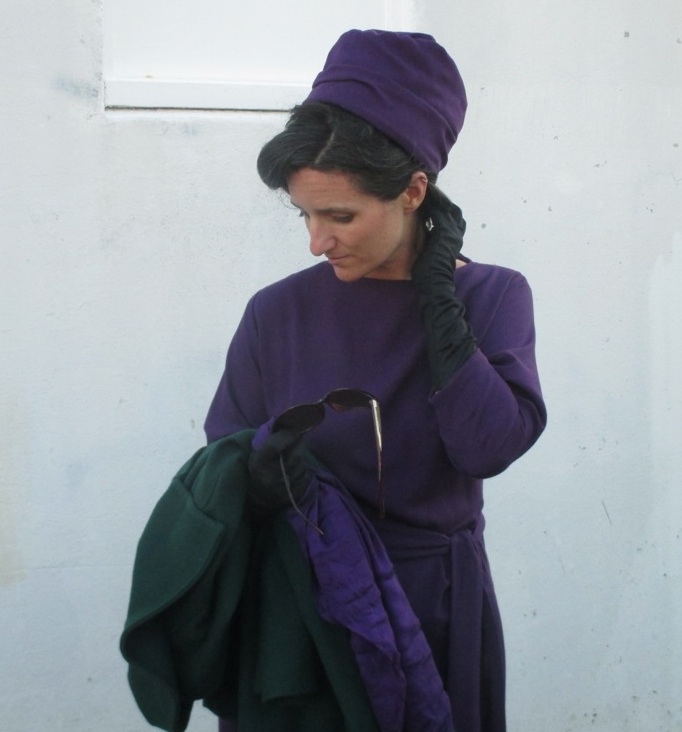
So, here are some photos!
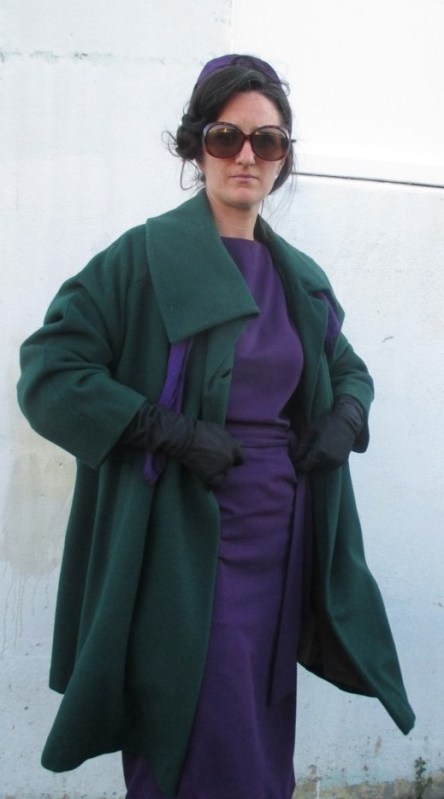
Coat off!
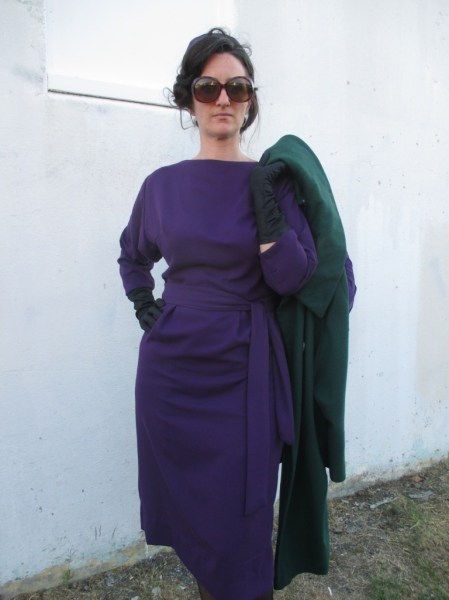
It’s all a bit serious.
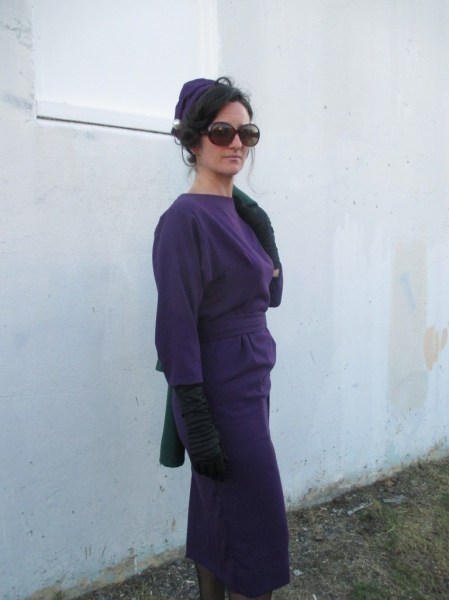
Until Austin the Cat comes along…
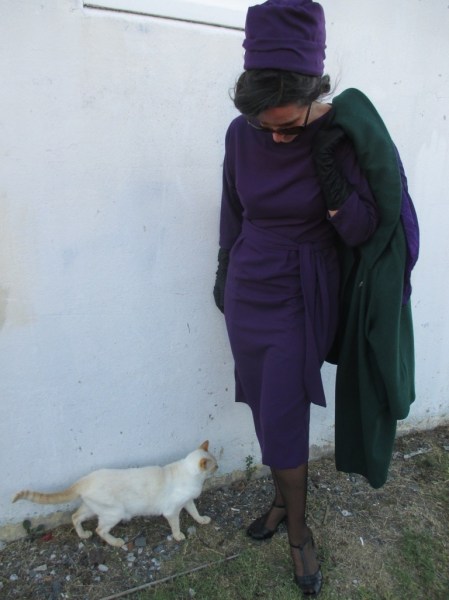
Hat wearing would be so much easier if I could just pin it to my head.
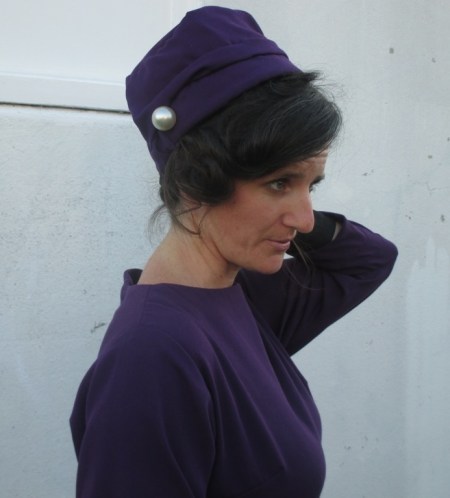
With the last season of Mad Men coming up, this is probably the first and last Mad Men Dress Challenge I do, officially at least. I cannot wait to see the other dresses, so check back at Julia Bobbin for the big reveal later this week!
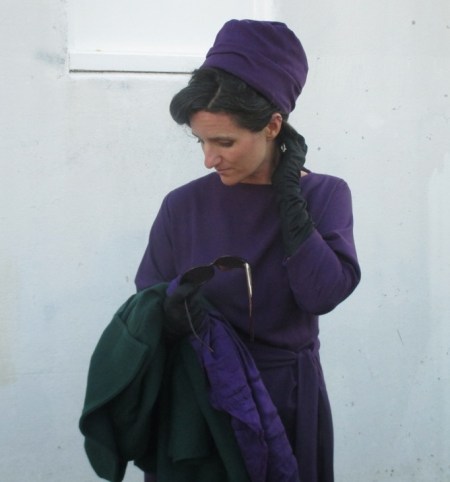
-
Artist talks
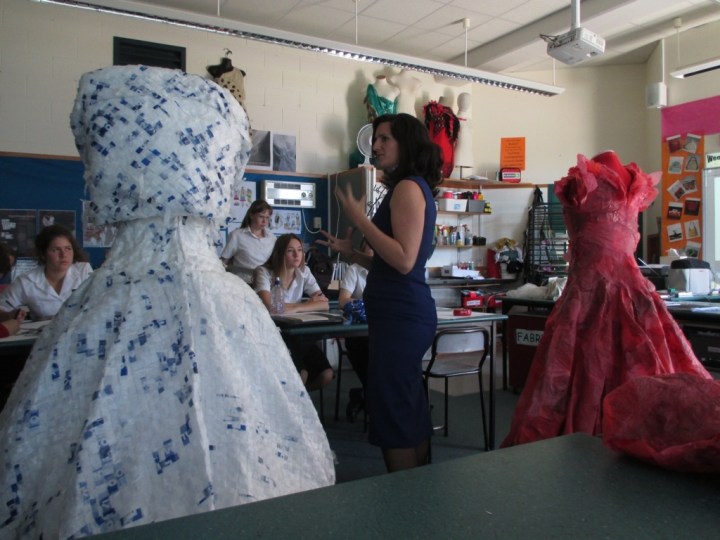
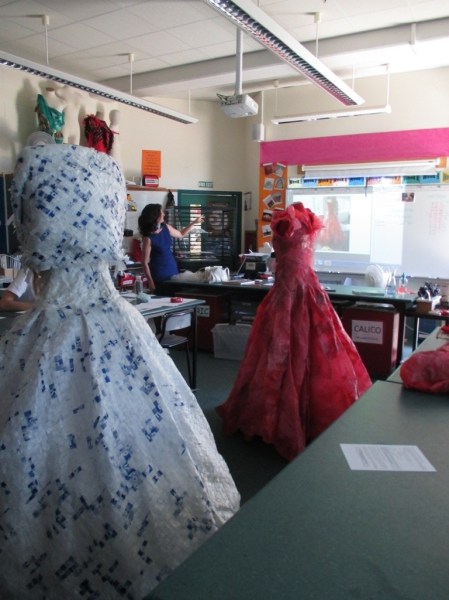
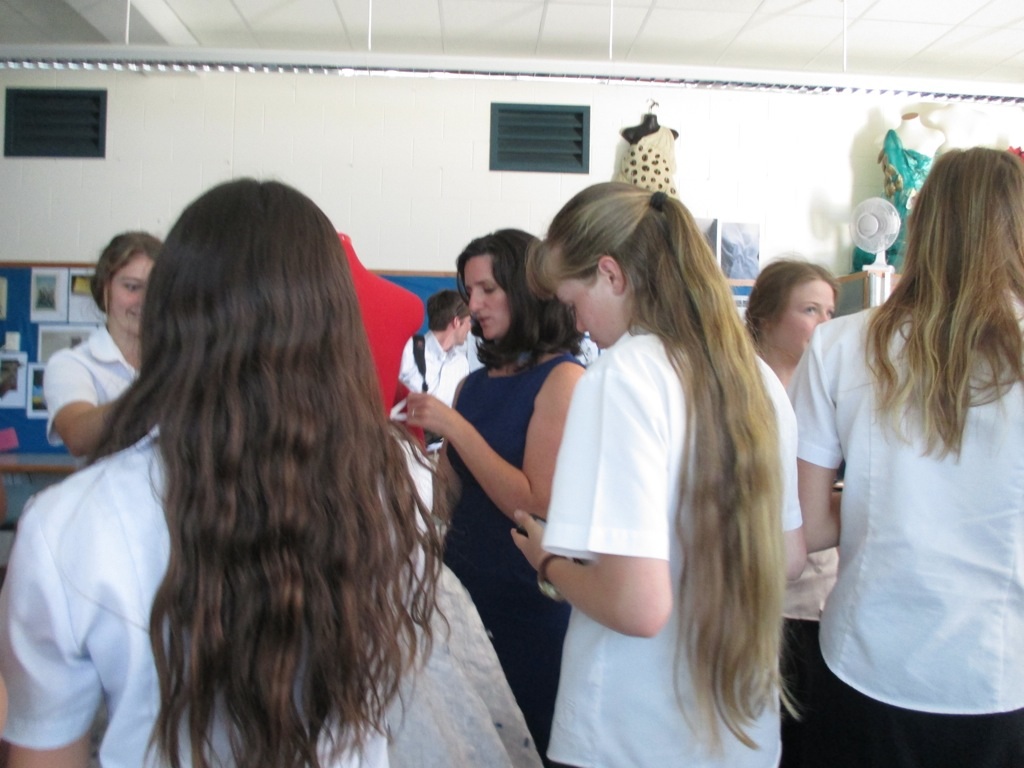
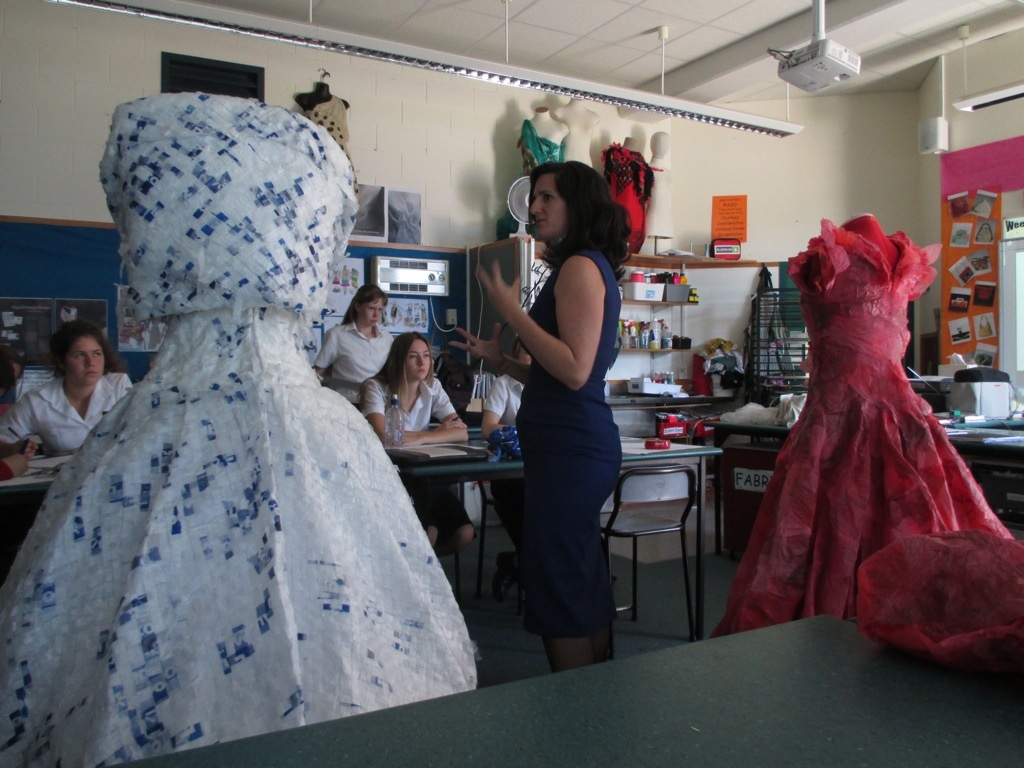
Life has been full lately, not much sewing happening sadly, unschooling with Luna an Blake fills my day, and I have been juggling a little work this month. I have had the pleasure of doing some artist visits in Auckland schools. I tailor a slide show and talk to suit where textile students are at and what they are working on, but more excitedly, I bring Hydra and Coralline along for the day so students can get up close and hands on, they are the two garments I entered in Cult Couture last year.
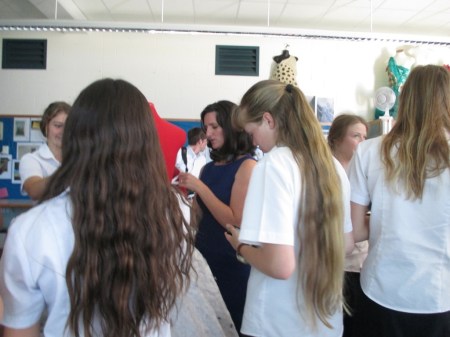
The feedback has been wonderful, with students feeling like they have had some insight into the design process. The challenges, organisation and planning, experiments, technical issues, the setbacks and failures along with the excitement of discovering that an idea imaged, can come together.
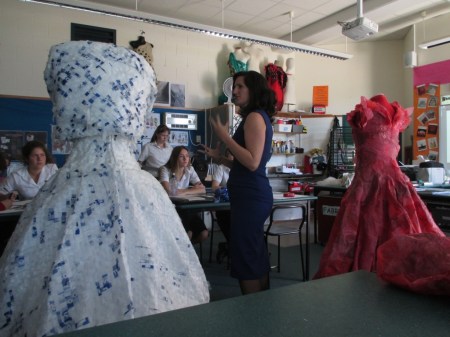
I talk about the extensive visual research I undertake, and how my wider interests, like marine ecology and science fiction feed into my art projects and how this contributes to a strong concept and a good design. I talk about my choice to use what I can access in my environment, often limiting my materials to post-consumer waste rather than traditional high quality textiles, I talk about real sustainability, not the kind used to sell us more stuff. The kind of sustainability that leads to conscious choices, and deeper thinking, and looking ahead.
I present slides that document my ideas and experiments, I like to drape my ‘fabrics’, to understand how they work and get a better picture of what is possible, I bring with me some of the textiles that I developed as I experimented, and some books that I refer to when I need a bit of inspiration.
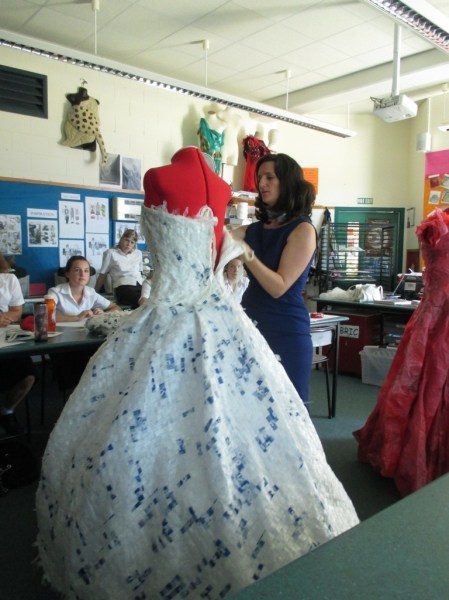
There I am talking about the hours of hand-stitching involved in attaching the woven textile to the bodice…I’m not sure if this puts people off or inspires them! In the least I suppose they get a better picture of the hours of work and skill that goes into making a garment like this.
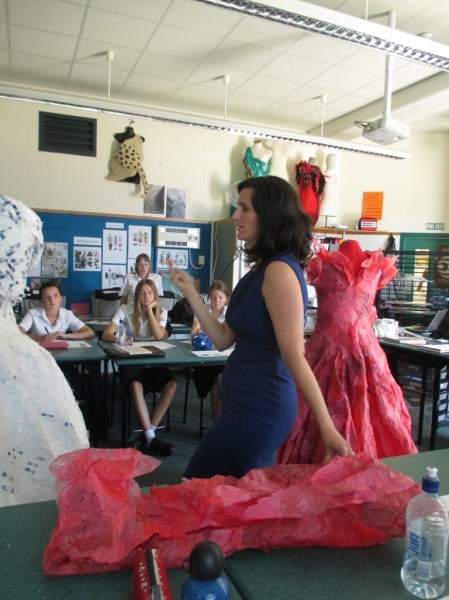
I’m looking forward to more visits in the next few months, it’s really inspiring working with younger people. This is something I would have LOVED when I was in high school, and hopefully it helps keep art alive and real in the education system.
-
The Exemption
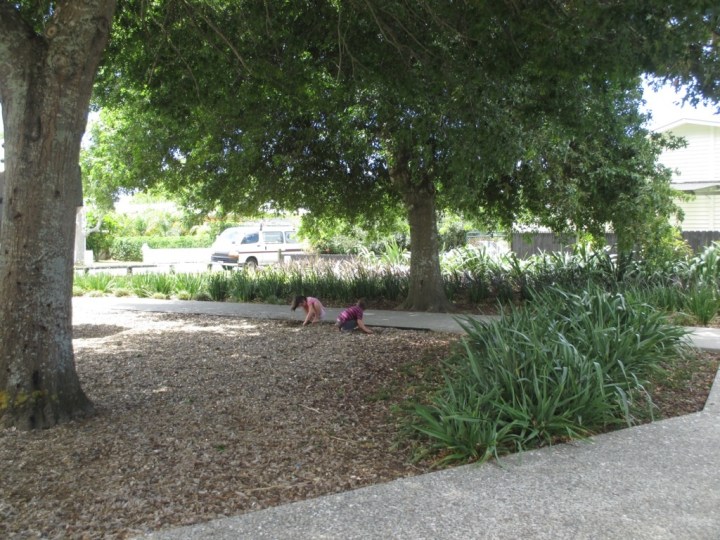
Luna’s exemption from compulsory schooling… this is my family’s vision for a life of learning. Sharing with the same spirit of generosity that I have experienced in gathering resources and talking with more experienced unschooling families.
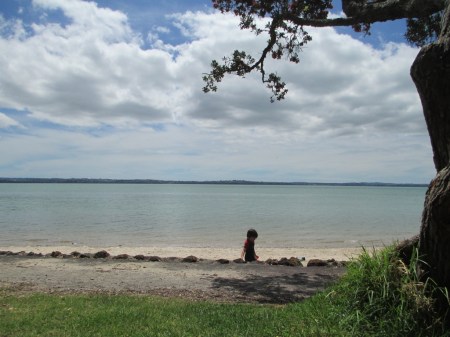
Kaupapa, introduction
Kaupapa, according to Te Ara, Encyclopedia of New Zealand is defined:
Kaupapa means principles and ideas which act as a base or foundation for action. A kaupapa is a set of values, principles and plans which people have agreed on as a foundation for their actions.
In this document, I apply for a certificate of exemption from school for my daughter Luna. I examine and describe how the kaupapa of our family relates to Luna’s learning and education as required by the Ministry of Education and by law in Aotearoa New Zealand.
My kaupapa is informed in part by my experience and observation of Luna’s desire to learn, through play, through her relationship with family members and friends, as well as her relationship with her community and her environment. I have observed her challenging herself, investigating ideas, role playing, story telling, and experimenting with a joy and openness that I wish to support and foster as she grows into a happy, healthy person.
Our kaupapa may be best described as a lifestyle of living and learning, sometimes called natural learning or life learning. This is a daily and life long activity. In this fast paced and ever changing world, the ability to learn adapt is crucial, as is the ability to source information, answers to questions and deepen knowledge and skills.
With a Bachelor of Fine Art degree and a varied and exciting work history, including signwriting, digital printing, graphic design, film projection, arts educator, child care worker, artist and event planner, shaped by learning and adapting to economic challenges, health and family needs, traveling, living and experiencing different cultures and environments, I am motivated to provide a nourishing and rich environment for Luna. I also co-facilitate community groups, such as Auckland Homebirth Support Group, a local play group, and a monthly creative retreat, these are activities that Luna shares in, finding her own connection and contributing to our community.
My children’s father is also a life long learner, pursuing further education in Creative Technologies, and Masters Degree in Fine Art, while working in IT at Auckland University. Luna and her younger brother witness and participate in our projects, by observation they see what a life of learning looks like and they feel valued when they contribute to bigger family projects. Our family is also associated with a cooperative maker space in central Auckland, which involves planning, attending and supporting regular events. This allows Luna to experience many different skills, participate in collaborative experiments, enjoy and contribute to our community. Our family activities and projects happen on week days, evenings and on weekends, as does Luna’s learning and education. Learning is a regular part of her life.
In keeping with our kaupapa, our curriculum is inclusive, integrated and child-led, embracing a lifestyle of exploration and experimentation it is the expression of a healthy and happy enquiring mind. It draws from Te Whariki, the early childhood approach to education, in which a child’s entire environment forms the basis of her education, the social and spiritual base in the home and family, then extending out into the wider community and the experiences and knowledge gained through being an active participant in life. It fosters connectedness within relationships to people and with the environment.
To ensure Luna reaches her full potential, is happy and healthy, and becomes a valued member of society, my role is as a model and a facilitator, ensuring a nurturing and safe environment and drawing together the community she needs, the experiences and resources she requires to extend her knowledge and skills. To be able read for pleasure and to gather information is a key to life long learning, as is an open and inquisitive mind. These are values and skills that our curriculum will foster along with the ability to respectfully raise intelligent questions, search for connections and to communicate effectively both verbally and in writing.
How this translates into a curriculum:
Through our integrated approach to learning, Luna and I develop her curriculum and the projects she undertakes based on her interests, these are the following subject areas that I expect to cover.
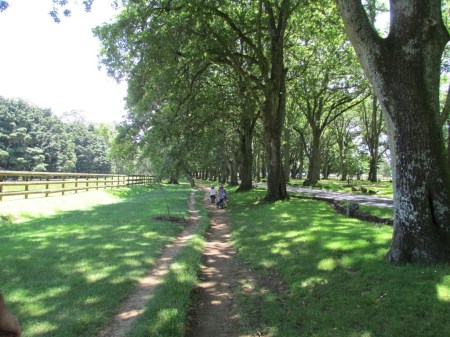
Health and wellbeing: At the core of our curriculum, is a healthy mind and body, Luna contributes to household chores, food sourcing (shopping and growing) and preparation, learning about healthy eating and self care, and is physically active everyday. Regular social and community activities that allow for free play and more structured games and sports, contribute to her growing sense of belonging and foster communication skills and co-operative projects and activities. Luna needs regular extended periods of self directed play and quiet reflection, this will be meet through ‘quiet time’ most days. Most of the projects undertaken within our curriculum incorporate some kind of field trip or excursion. This provides a broad range of experiences in exploring ideas and allows for more opportunities for physical activity like walking, running, bike riding and climbing.
Resources: Local markets, our home garden and kitchen, local parks, beaches and sports grounds, group dancing and sports activity groups. Sports equipment, and local pools and gymnasiums. Also key to health and wellbeing is time with extended family and friends.
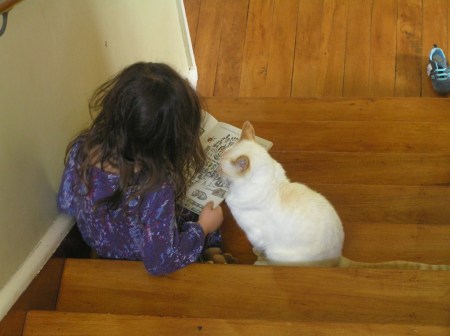
Literature, fiction and non-fiction: My goal is for Luna to love reading, to have exposure to a wide variety of styles and genres, and to be able to critically question information and to make connections as her knowledge grows. As such she will read with me and by herself a wide range of self-selected books and other reading material. I also select books that may be of interest to her. These maybe fiction or non-fiction and are based around her current areas of interest and the projects she is working on. Luna enjoys re-telling and re-enacting stories. This provides opportunities for reflection and conversation about what she is reading, and as we read together she is free to question, to ask for clarification and explanation. This is one immediate way I can assess her learning and provide information or support, including revisiting ideas or activities. An understanding of how and where to source information she needs grows with her abilities and time spent at the library and in context with family and friends. Reading is an exciting aspect of all the other areas in our curriculum, and so this is an activity that is revisited daily.
Resources: Include but are not limited to; extensive and diverse home library of books, magazines, and audio recordings, as well as our local library and specialist resource libraries through club memberships, signage and maps as part of planning our activities, visiting museums, galleries and parks. Attending cultural performances and plays, reading groups through our local library and other community events.
Writing: My goal is for Luna to be able to master the skill and mechanics of writing and to be able to communicate, to write creatively, and to explore different styles of writing. For Luna, I see her learning to write is already connected with exposure to and enjoyment of reading. Day to day, Luna helps to write shopping lists, ‘to do’ lists, signs for her games, and enjoys making cards and writing messages to friends and family. As this is an activity she seeks help with, I am able to assess her progress on the spot, and as time goes by, I can identify where she may require extra help, by way of spelling or grammar. I retain examples of her writing and write on my blog about how she is learning to write, this is a valuable long term tool in my assessment of her learning, and how effectively I am teaching her. Writing is intrinsic to many other subject areas, and can be integrated into art and collage projects with collage from text cut out of magazines, books and letter stamps.
Resources: Include but are not limited to; paper, card, writing implements, such as pens, pencils, crayons, paint, paint brushes, stamps, hand printing tools, manipulatives such as cut out letters, fabric, handmade books, typewriters, and computers.
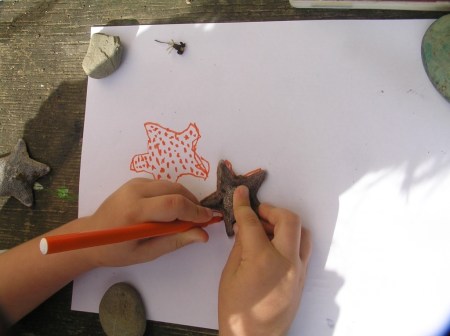
Science, Mathematics and Technology: My goal is for Luna to develop an understanding of science, mathematics and technology as they relate to everyday life, and to provide opportunities for deeper experimentation, observation and study of the conceptual aspects of these subjects. Learning about science as it relates to Luna’s interests can incorporate activities that involve experiments with gravity, mass, scale, and transformation, hands on activities, such as water play, clay modelling, block building, painting, food experiments, taking measurements, navigation, gardening, collecting and studying shells or fossils and plant life, care of pets and vet visits, it may incorporate visits to Museums, the Stardome and Planetarium, MOTAT, and regional museums, farms, visiting shell shows, horticultural society events, as well as reading and watching documentaries. Mathematics activities include, but are not limited to, hands on activities such as shopping (addition, subtraction and multiplication), cooking (proportion and percentages), gardening, traveling, sewing, book making, music and arts. Mathematical concepts can be explored through block play, measuring and calculating scale when baking. Further broadening Luna’s understanding of technology, our family is a part of a shared maker-space, where Luna is able to work with and observe people engaging in many diverse activities, including and not limited to bicycle maintenance, working with and repairing appliances, electronics, boat building, woodworking, welding, metal working, casting, 3D printing and science experiments. Technology may be a part of mathematical and scientific exploration, as she uses various kinds of equipment, like a sewing machine, kitchen appliances, works on her bicycle, uses a magnifying glass, her camera or her microscope and visits the Auckland Museum, Auckland Zoo, MOTAT, the Maritime Museum and The Stardome and Planetarium. Luna will engage with these subjects daily and as she pursues her interests, through observation I am able to assess her knowledge and skills, through discussion about her ideas and what she is learning I can identify where she needs any help. I photograph her projects and retain examples of her work, I can effectively track her learning. In accordance with our kaupapa, these areas of study are also interwoven with other areas of our curriculum, and incorporate art, music and historical study.
Resources: Local organisations, institutions and groups include but are not limited to, Auckland Horticultural Society, The Conchology Section of the Auckland Museum, NZ Forrest and Bird, GNS, Tangleball, Auckland Museum, MOTAT, the Stardome and Planetarium, the Maritime Museum, the Auckland Zoo, Garden centers and plant nurseries, parks, reserves and beaches in Auckland, and wider region. Books, magazines, online resources, equipment, such as compasses, rulers, protractors, tape measures, microscope, magnifying glasses, modeling clay, Lego, cuisenaire rods, the local library, specialist annual events, such as Sea Week, special events and exhibitions at the above institutions.
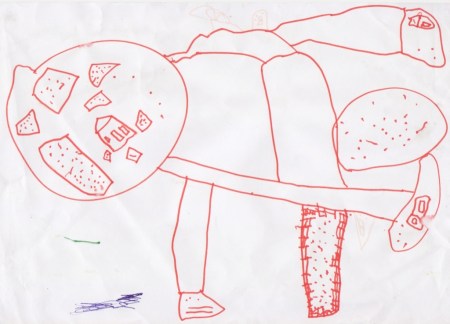
Geography and History: Turangawawae, a place to stand, “In the concept of turangawaewae, the external world is a reflection of an inner sense of security and foundation. The mountains, rivers and waterways to which one can claim a relationship also express this internal sense of foundation.”(www.teara.govt.nz). My goal is for Luna to understand her place in the world, have a sense of belonging, and to understand how connected our world is. I expect to incorporate elements of history and geography into Luna’s interests and current projects, through the shared research and planning of her projects and field trips, through an understanding of ecology and biological relationships, observation and discussion about the passing of time. I anticipate the majority of Luna’s projects will incorporate field trips. This invites discussion and planning, gaining a deeper knowledge of a destination, both historically and geographically. As Luna will be working closely with me, I will be able to assess her progress, and answer questions, as these areas are intwined in our broad curriculum, there will be opportunities for often revisiting ideas through drama and story telling, providing opportunities to gauge understanding and knowledge.
Resources: Maps, timelines, books, media, field trips, globe and maps, coins, other historical artefacts, Art Galleries, Auckland Museum and regional museums, MOTAT, historic places, such as homesteads, pa sites, parks and reserves. Events that mark historic events, like ANZAC day at the Auckland Museum, The Auckland Heritage Festival and local cultural events and festivals like Matiriki, Diwali and the Auckland Lantern Festival. Conversation with family and friends, and personal family history.
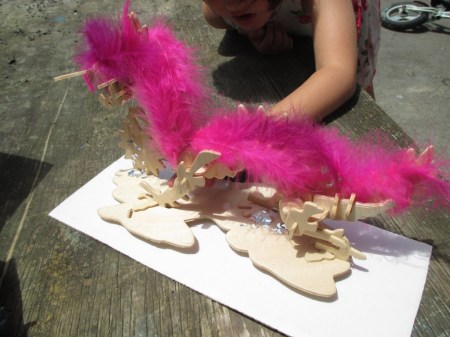
Languages and Culture: My goal for Luna is centred around fostering an open mind and an appreciation of other points of view, this will equip Luna for life in our globalized world. A knowledge of Te Tiriti o Waitangi and how this document helped shaped Aotearoa is also a core aspect of this subject area. This area is closely aligned with history and geography and the arts and music, so it may be incorporated into those areas of interest. Luna will be exposed to different cultures in her play groups, through cultural festivals, fashion and adornment, and through preparation and enjoyment of food. This subject area will also involve visits to significant historical landmarks and Museums, like Te Papa in Wellington and in storytelling and reading.
Resources: Auckland city is home to many different cultural groups, we enjoy and attend annual cultural festivals, performances, and interactions within our community. Shopping for food at local markets, trying new recipes and musical instruments, and relationships with her peers who are from different cultures in our play groups. The Auckland Museum, MOTAT and Auckland Art Gallery also with regional galleries and museum inform an understanding of these areas of study. Online resources, libraries and books, art making materials and fabrics, globe and maps.
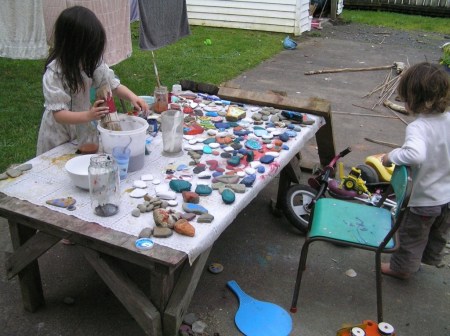
Art and Music: As with previous subjects, Luna’s experience of music and art is developed through her other interests and projects and is one way to explore ideas and concepts. I incorporate some art activities into most days, in order for her to explore ideas around a subject, and Luna enjoys telling stories and acting out ideas, this allows for dress up play and creating a story about many of the subject areas in our curriculum . My goal is for Luna to be able to express herself and enjoy creative activities and experiences and to understand and value artists and musicians across a wide range of media. This is undertaken through exposure to, and participation in, various performances as they relate to her interests, and during the diverse cultural festivals that happen in Auckland, along with playing music and making art with friends and family members, and attending arts events as a family. I maintain a blog, where I record Luna’s arts activities and art work, this provides a means of reflection and a record of her skills. As I work with her I can observe her skills and answer questions, I can also pose new challenges and offer new skills for her to try as her knowledge and understanding grows.
Resources: Musical Instruments, records, cd’s, online music, council music events, family music sessions, art galleries, sculpture parks and gardens, shared workshop spaces, home arts activities, art making materials, clay, paint, fabric, sewing machines, cardboard, crayons, and paper.
Topic Plan:
Topic title:
Fungi in our environment. N.b. this is a seasonal subject, and may take place over the course of a few weeks, this includes field trips.
Curriculum areas: Science, geography, health and well being, literature.
Learning goals:
Identify common fungi in our local environment and surrounds.
Find out which are poisonous and which are edible.
Discover how fungi works and lives. Is it a plant?
How is fungi is essential for the health of our planet?
Resources:
Our garden and our kitchen to investigate fungi/mould on food, and cooking with fungi.
Local parks, Heron Park, Avondale has a range of tree habitats that may support various types of fungi, such as fallen trees.
Other parks, Auckland Domain and Cornwall parks, with native and exotic tree plantings, key habitats for fungi.
Visit the local Avondale markets, and supermarkets for the edible varieties of fungi for sale.
Visit the learning centre at Auckland Museum and ask about fungi.
Books from home about fungi, library books about Fungi in NZ, foraging in NZ book, dvd, the Private Life of Plants, by David Attenbourgh, which features fungi, also youtube videos about fungi.
A friend who forages for food, including edible mushrooms, who will join us on a field trip.
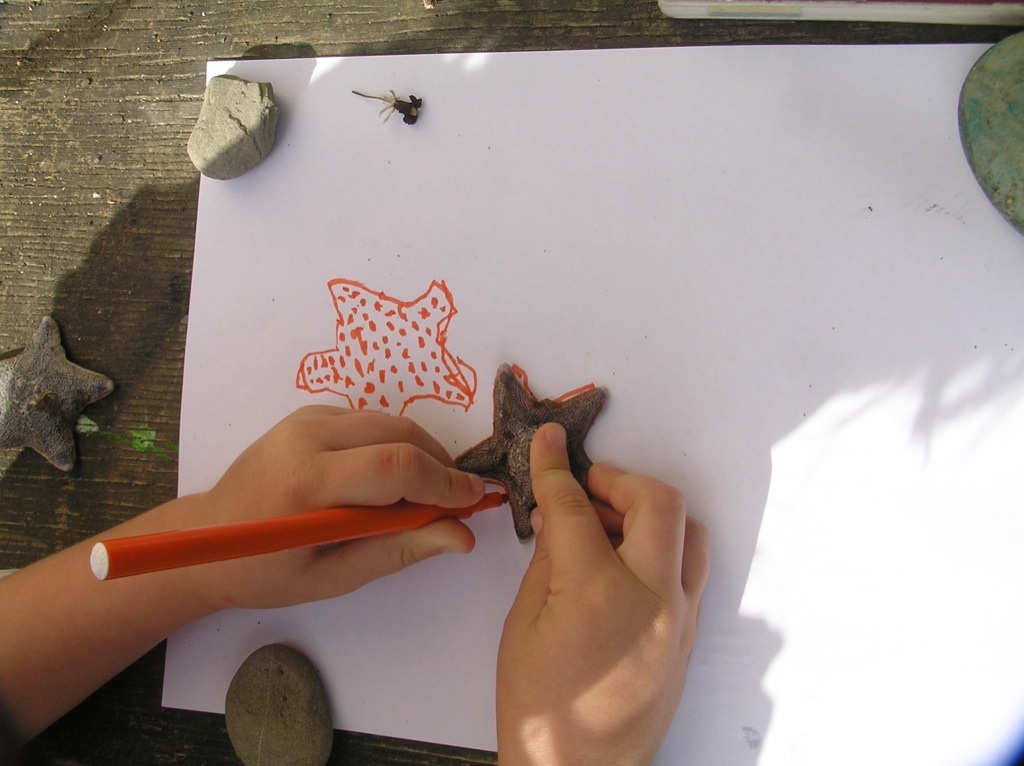
Paper to make ‘spore prints’ from mushrooms, pencils and art materials, for the field trips and investigation at home: magnifying glass, microscope, camera, gloves, trowels and small pots for collecting specimens.
Methods:
1) Planning involves looking at books, viewing a dvd, talking about where we may find fungi in Auckland, walking together in our garden, getting hands on together in the search for fungi, looking for trees and other habitats that fungi is likely to be growing.
2) The bigger field trip, with friends from our homeschool group, visit the Auckland Domain, with field trip resources, a small handbook on NZ fungi, and a picnic. Working together, walking through the Domain, we may identify specimens that we could take home to study further, and any that are suitable for making spore prints. Can we transplant fungi and grow it at home? Taking care to wash hands, and remember that we don’t to do damage as we are exploring. Take photographs, and make a note of any significant discoveries in a note book. We may dig around some fungi and see if it has roots like a plant, or is it different? What stands out about the poisonous varieties (colour/shape)?
3) On returning home, we discuss and review the expedition, look at photographs, examine any specimens we collected, make spore prints, or transplant into Luna’s garden. Talk with friends and family, review the dvd footage, and read books again.
4) At home, we may look at mould growing on food, we may also take note of fungi that we find in our garden, how long is it there for? Is it edible? Have we seen it in parks we visit?
5) In addition, we may purchase different kinds of edible fungi and try them in meals, we may dissect them. Other optional areas to cover, mushrooms, toadstools and fungi in fairy tales, mythology.
Progress and achievement:
Over the course of a few weeks, through field trips it will be clear to me if Luna is able to identify certain types of fungi, we take walks as a family and visit parks regularly so this allows more opportunities to discover fungi, and for me to ask questions to gauge Luna’s understanding. Luna enjoys telling her grandparent’s about such expeditions, so I will listen to her retelling, and listen as she answers their questions.
This is hands on and involves one to one communication, I can assess in the moment if Luna is learning through the process and if the resources are meeting her needs. As this is the kind of project that we would undertake to explore over a period of time, with multiple visits to favourite parks there are many opportunities to deepen Luna’s knowledge and assess her grasp of the learning goals.
Environment, community, social contact and educational visits I intend to undertake:
Informed by Luna’s interests and current projects, community and environmental activities include and are not limited to:
Exploring the Auckland environment, parks, beaches, volcanic cones, historical and archaeological sites. Family trips outside the Auckland region several times a year.
Weekly visits to our local library to gather resources, along with going to the post office, supermarket, food and vege markets.
Visiting the Auckland Museum, regional museums and the Auckland Art Gallery and smaller galleries, MOTAT, the Stardome and Planetarium, The Botanic Gardens, The Sky Tower, industrial parts of Auckland, like Auckland harbour and Auckland Airport.
Educational visits may also include workshop events at Tangleball, on farms, at community centers and in the homes of friends and family.
We will attend many of the cultural events and festivals that happen in Auckland, like Matiriki festival, Diwali Festival, and the Lantern Festival, these festivals are often accompanied by smaller celebrations at our local library.
Themed field trips and educational events may include events like Sea Week and NZ Music Month.
Regular social contact with homeschooling children and families is built into our regular weekly and monthly plans, I organise a beach play group and picnic every Friday, we attend a Monday West Auckland outdoor free play group three Mondays a month, we attend a fortnightly homeschool play group at Mt Albert Playcenter (term time) and a gymnasium activity day fortnightly (term time). At other times I organise or facilitate play groups, themed activities or walks with other homeschool families on an informal basis.
Resources and reference material:
* Please note, under each curriculum area, I have noted more specific resources. Resources in our home include, but are not limited to;
Natural world encyclopaedias, technical, craft and sewing encyclopaedias, gardening books.
Wide and varied library, fiction and non-fiction, stories, short stories and poetry.
Maps, a globe, calendars, note books, journals, calculators, currency.
Art making materials such as paper, card, fabric, pens, pencils, markers, compasses, rulers, crayons, glue, scissors.
Musical instruments, sewing machines, computers, kitchen appliances, block and building toys, Lego, gardening equipment.
Video and still digital cameras, sound and recording equipment, audio books, music cds, dvds and videos, online resources, including documentaries and tutorials.
Local people in our community, family and friends.
Progress and achievement:
As she works closely with me, key methods of assessment are informal and take place in conversation, in depth inquiry (by me asking questions) reflection and repeating or revisiting activities on more challenging levels. Most of Luna’s learning is project based, and places of interest and other resource materials such as books or documentaries are revisited at various stages of the learning journey. This process is a valuable tool to address any unanswered questions, or in the case of activities, to pick up any skills or techniques that require reinforcing or just more practice.
As Luna often works out her ideas through play, exploring and experimenting by storytelling aloud, I can listen and hear her own expression of ideas that we have been talking about or working with. Luna often asks to repeat favourite activities, and re-read favourite books, this allows for her to digest concepts that she may find unfamiliar, and provides another chance for me to ask questions. Luna enjoys self directed time, so with a given subject or activity I am able to observe her method and plan, and we may discuss the outcome if she has problems.
Luna enjoys talking about what she is learning with family and friends, and likes to share her new knowledge with her younger brother, this is an opportunity for me to listen to her understanding and assess her learning.
In addition to this, I record Luna’s learning process, her projects, expeditions and progress on my blog, and take photos when appropriate.
As regularly and as well:
Our curriculum is integrated into our daily activities, is not defined by the hour of the day or the school term, this means that Luna is able to spend extended periods of time immersed in her current projects. On a daily basis, week days and weekends, this equates to reading and writing together, one to one. Luna thrives with quiet time in the afternoon, so activities and outings are mostly planned for early in the day, with space for her to work on her projects in the afternoon.
Noted under Environment, community, social contact and educational visits, in a given month, every Friday is a beach play group, with a picnic, three Mondays a month we join a West Auckland outdoor free play group. During term time we attend a fortnightly homeschool play group, and a fortnightly gym session. Throughout the month I incorporate Museum, Zoo or other activities and visits as they relate to Luna’s interests, and twice a month we are involved in cooperative learning days, with other homeschool families in our community, cooking, art making, dancing, or exploring together.
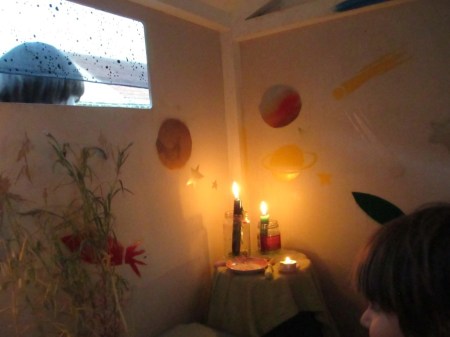
Sandra Dodd’s website was helpful in tailoring this unschooling exemption, you can read more of her work here.
-
Lets make a Terrarium
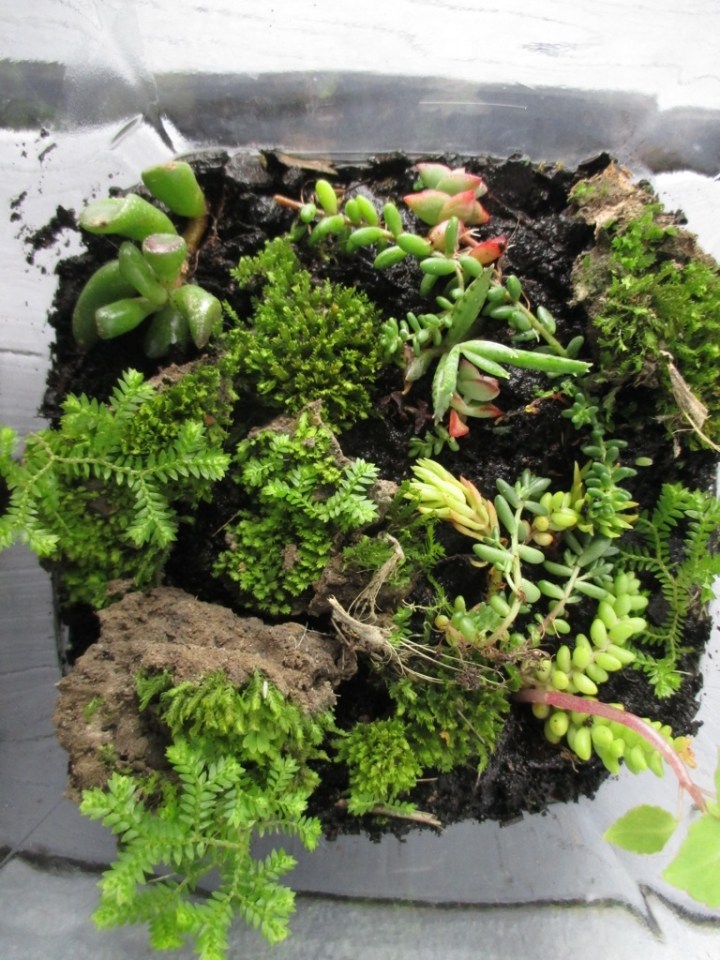
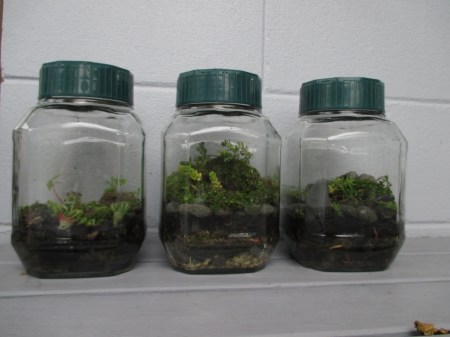
Making a real terrarium with the kids is one of those fun projects I’ve had in mind for a while. It’s quite good to do in winter as it can be easier to find lush green moss in the garden, and it’s a slower time for gardening. Terrariums are mini eco systems and are beautiful tools for learning about the water cycle and are ideal for studying flora. Perfect little science projects!
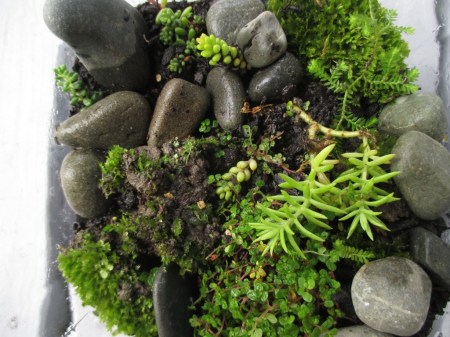
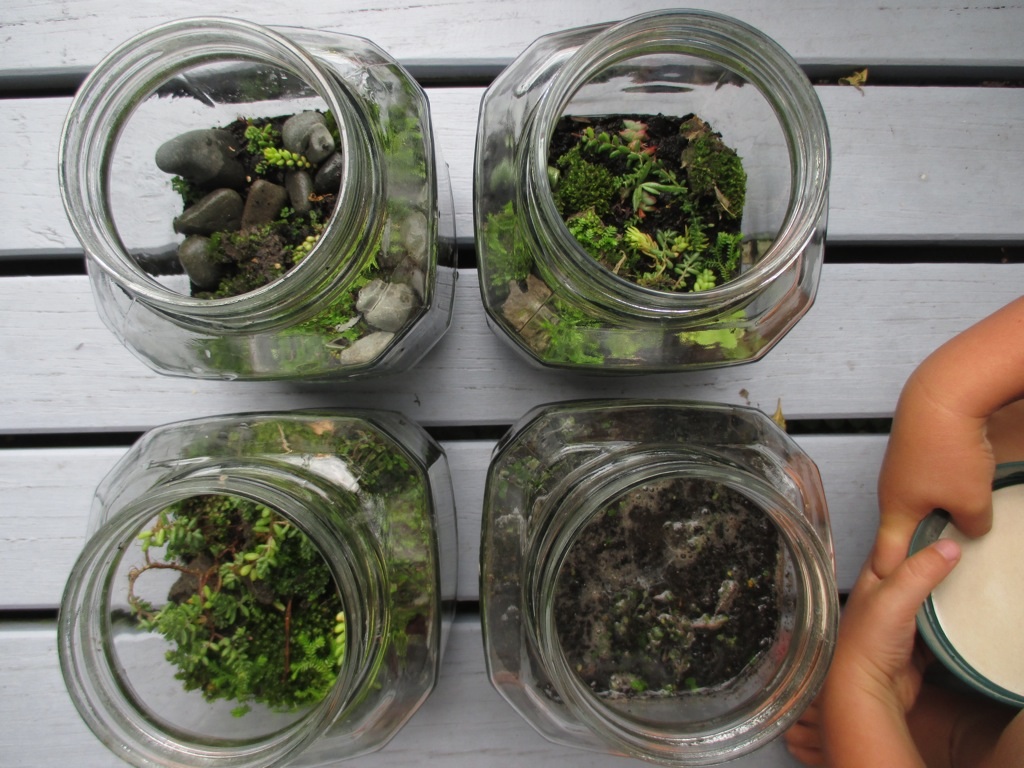
We found four nice large jars in mums’ garage, and away we went, I spent an hour or so looking at the basic principles of building your own, and of course, wasted some of that time on Pinterest.
It’s fairly straightforward, the idea is that a terrarium is a self sustaining system, you set up the basic requirements, and it takes care of itself. With a terrarium, you can observe photosynthesis, respiration, evaporation and precipitation.
If you really want to get into it, you can make note of observations of the ‘weather’ conditions inside, contemplate questions like:
Is condensation on the underside of the lid?
Are the inside walls wet, is water running down or dripping inside?
Does the soil ever dry out?
Aesthetics also come to mind, miniature gardens such as these remind me of the art of the Bonsai, and you can talk about visual balance, harmony, colour schemes, perhaps using odd numbers of plants to create a more natural look.
Some things to consider when planting:
Will the soil be pressed flat, or will you create different levels, hills or valleys? Will water pool anywhere?
How many different plant varieties will you include? Will you chose just one?
Will you add stones, dried wood, shells, bones, fossils! coral, or other ornaments?
Consider the habit of different plants you wish to grow, some may spread, like moss, some may reach up, like a small fern. Will some flower or fruit?
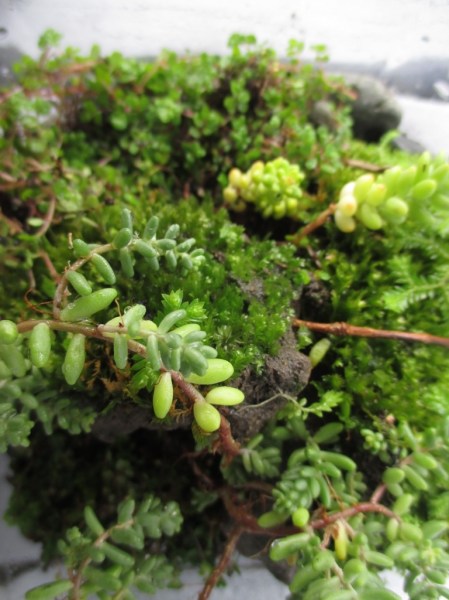
You can record in a journal the growth of plants and keep track of how often you need to water it, if at all. There are not many limits in what you do, other than space inside your jar and growth rate of the plants you chose, you may need to transplant any that take over. Also, don’t fertilise your terrarium, you don’t really want to encourage large scale growth, and your plants will absorb nutrients from the soil, though how long will this closed system keep the plants healthy? Another question to contemplate… If the jar has enough space, you can use it as a habitat to observe insects, just remember to return them to where you found them after an hour or so.
What you need:
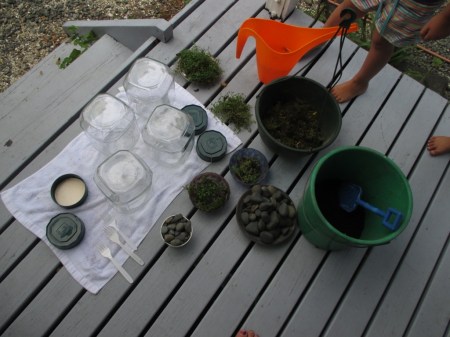
We had to make do with what was available, there was a bag of potting mix and other basic gardening equipment, as well as various pebbles and stones already in abundance in nana’s garden (you might like to plan a visit to a beach to collect what you need for this project, be sure to wash off any sand and salt). We just grabbed ours from the garden path!
Many of the DIY tutorials describe the various layers as:
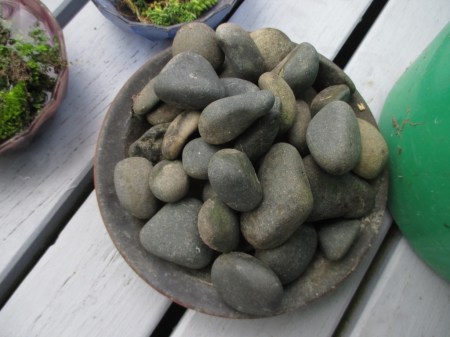
First, small stones or pebbles for drainage.
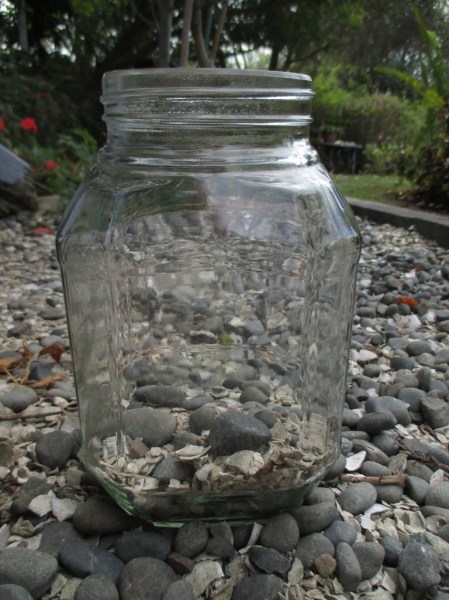
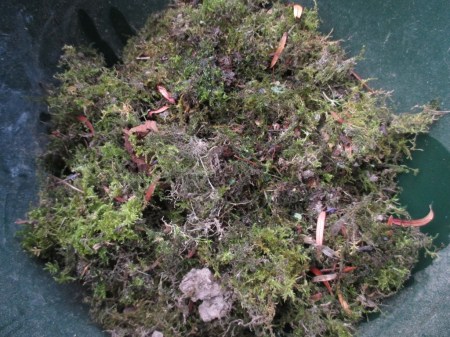
Next, layer of sphagnum moss followed by activated charcoal, this apparently keeps the water clear – we didn’t have any charcoal at hand so skipped this part. Also, we collected some dried moss (which we then soaked for a few minutes) instead of the sphagnum moss, choosing a moss that is similar (looking) so hopefully it may have the same water retaining qualities, it also helps to prevent the soil from oozing into the stones at the base and making mud.
Next, a layer of soil, followed by the plants and any decorations.
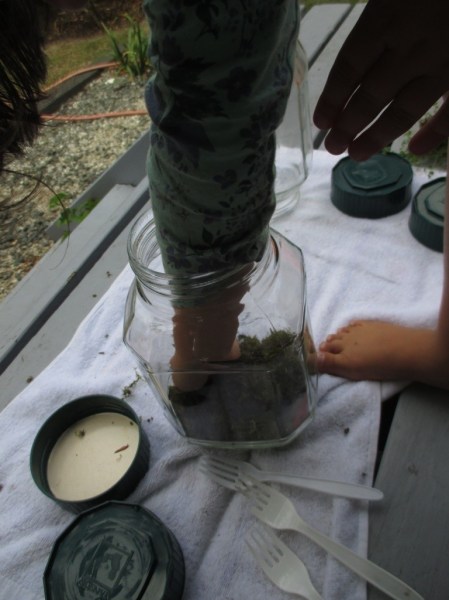
We used basic potting mix, some of the succulents and mosses we collected also had soil attached, so that went in too.
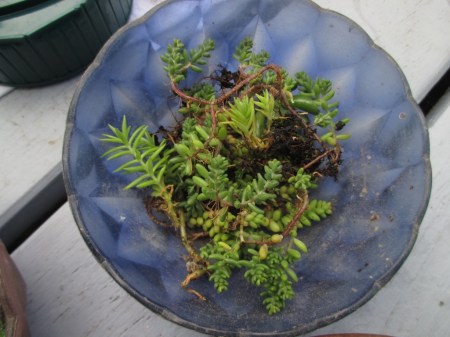
We collected a number of small succulents from pots, and some moss and baby tears that grow near a small water way.
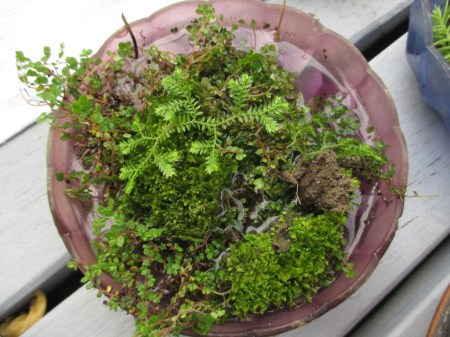
Planting was the really fun part!
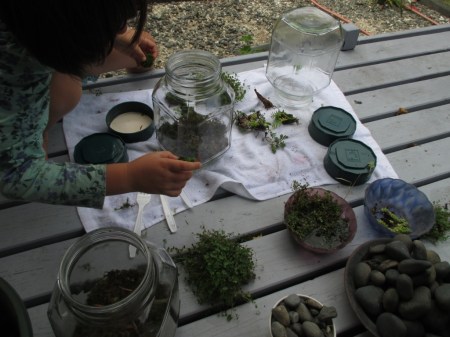
I created a hill on one side of my jar, and included a few carefully placed stones, and in a second jar, used some big chunks of hard soil topped with moss to create a kind of cliff wall on one side. Luna was quite selective, though she used at least one of each plant!
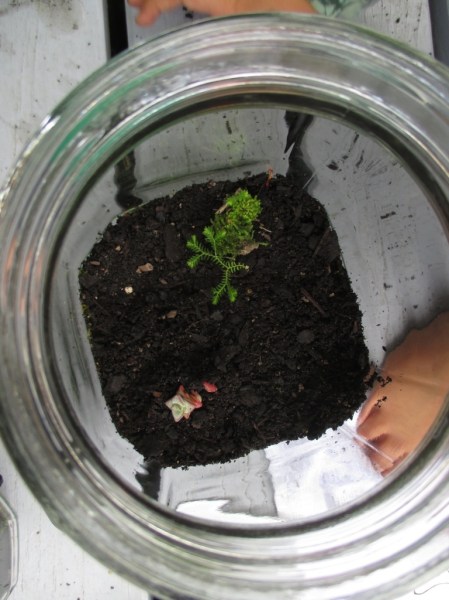
She had a full jar by the end…
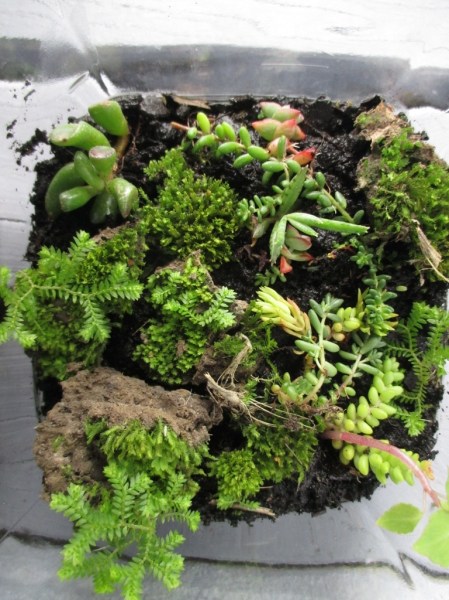
Then in goes the water! We soaked our moss and the small plants, and I’m curious if that has resulted in an excess of water, we’ll see.
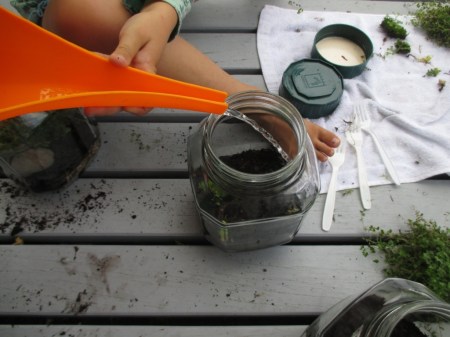
Talking about excess water, it turned out that Blake was making an ‘aquarium’ all along and he has perhaps set up to drown his plants, interesting to talk with him about how that has turned out in the next few days…
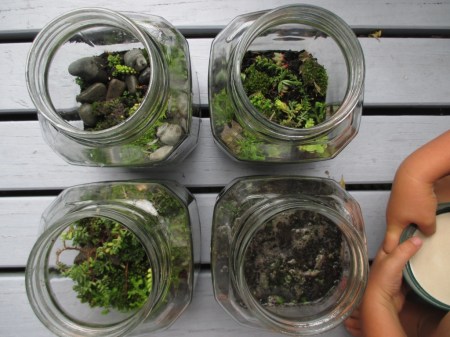
These babies have been a real hit, they have spent time where the kids have been playing and are of course in the bedroom now. And no doubt will be checked first thing in the morning…
-
Dirty work
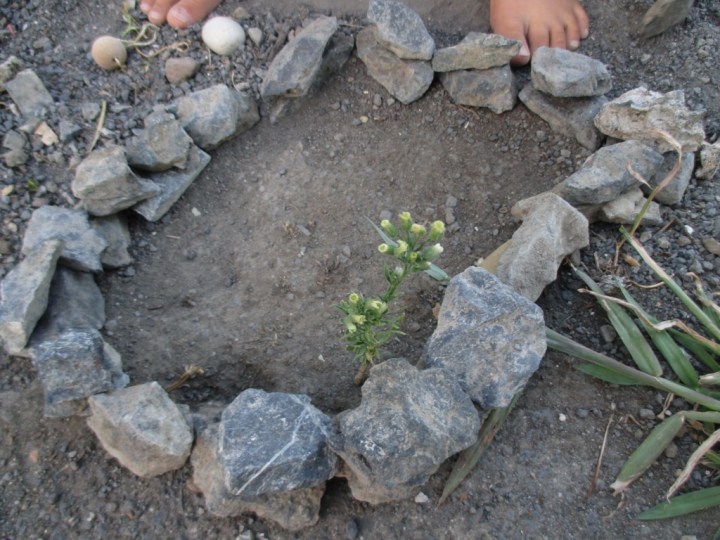
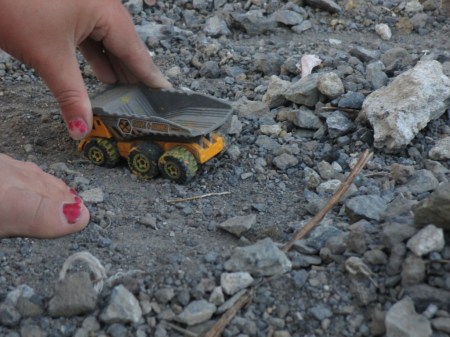
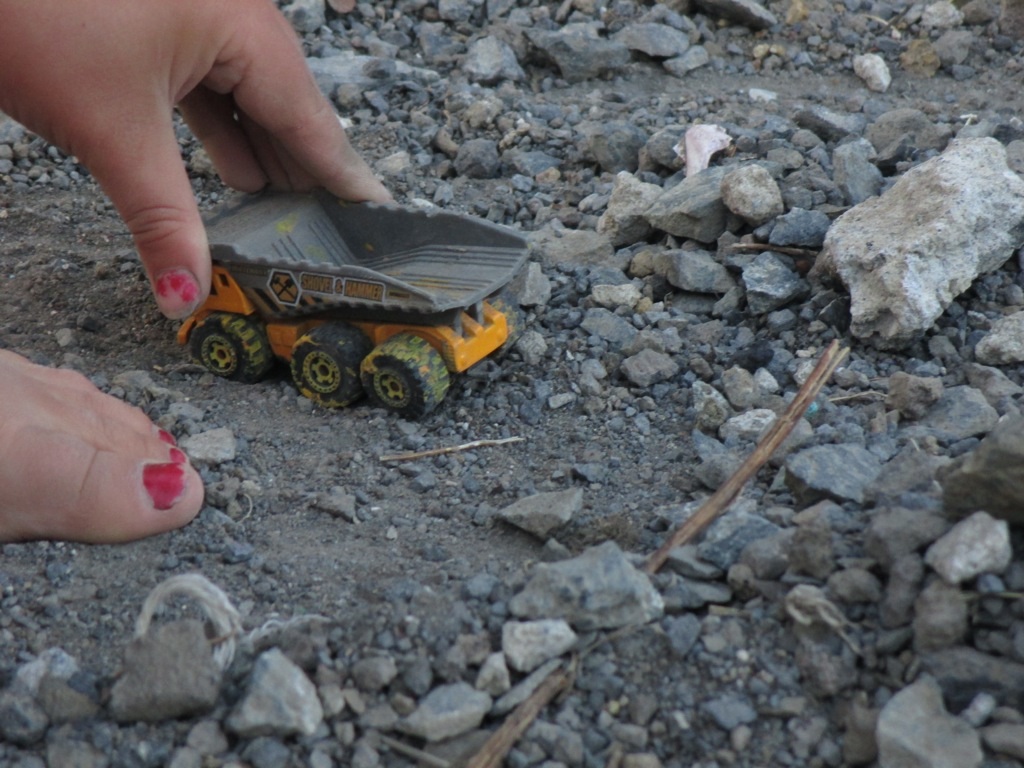
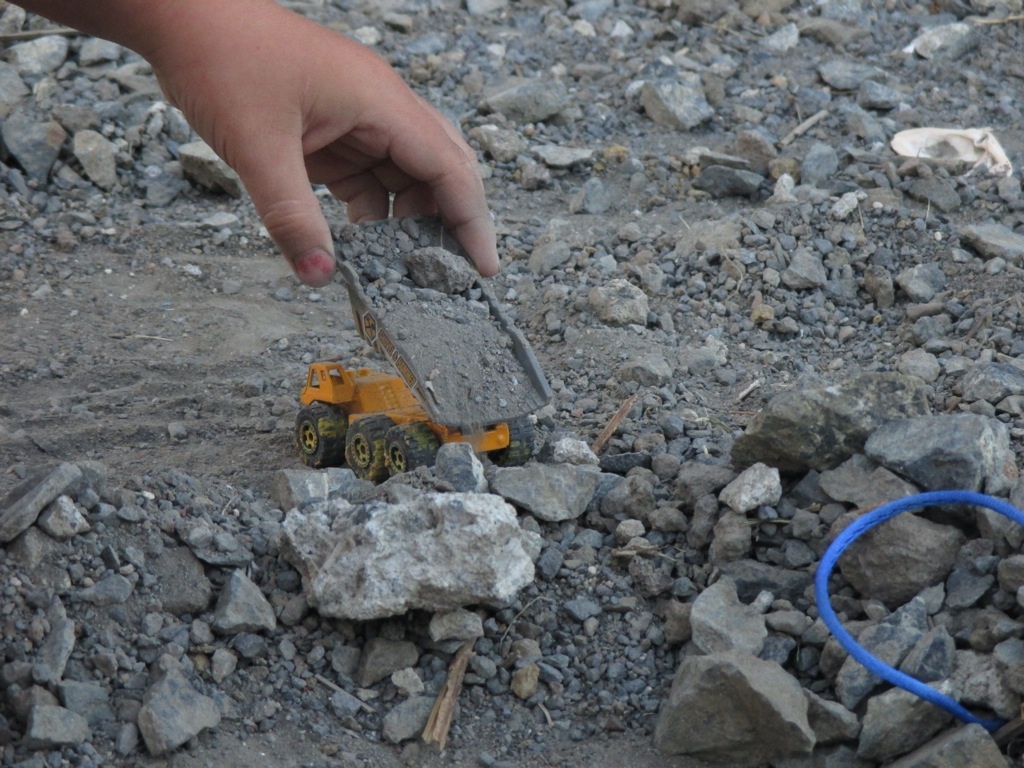
Excavation in the home fossil dig site.
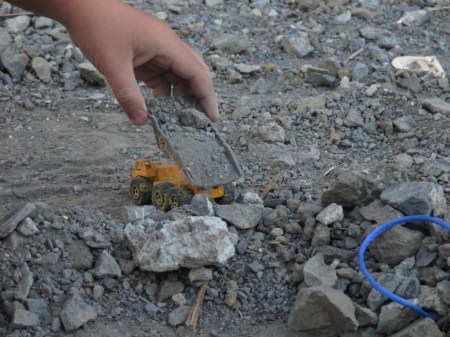
This is a big job, sometimes requiring a few hours in the morning, followed by after dinner maintenance.
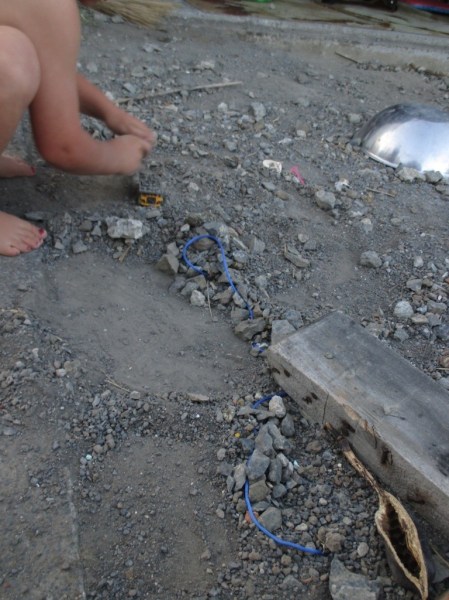
I enjoy seeing how often this site is revisited with new projects and ideas. It is pretty basic, just rocks and dirt, bring your own tip truck and get to work!
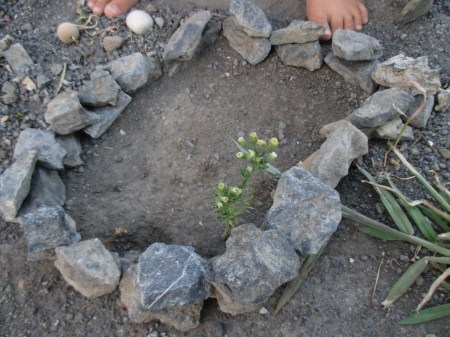
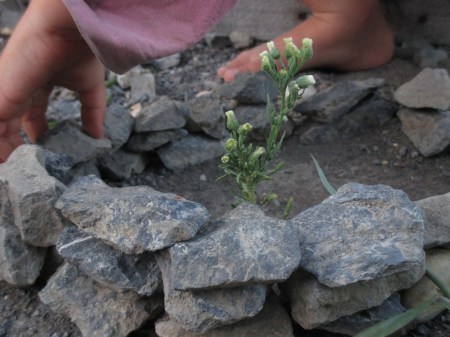
It is a dry and parched landscape, so any plants found are carefully nurtured.
-
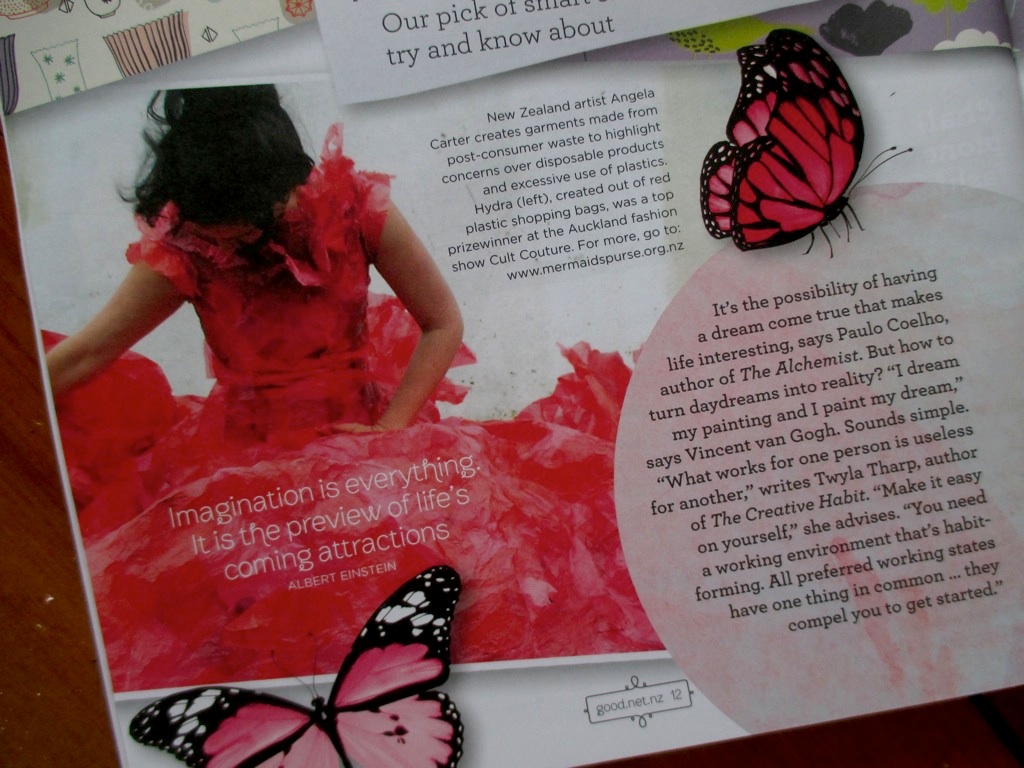
Hydra in Good magazine
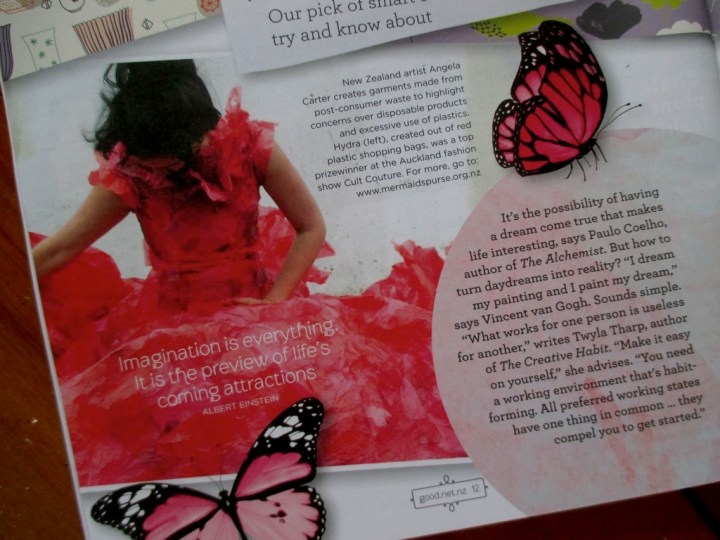
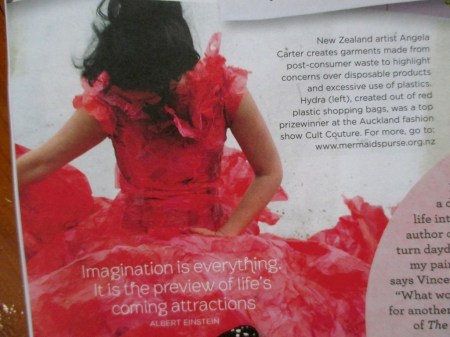
Excitedly, a photo of my garment Hyrda, appears in the latest Good magazine! Look out for issue 35 in your letterbox if you’re all organised and have a subscription, or pick one up at your local magazine seller. Good magazine has been around for a wee while now, you’ll find Good stories about people going Good work, talking about and working on Good solutions for environmental issues, Good fashion, Good design, Good gardening and Good recipes, and Good art!
-
Vintage Maudella Patterns
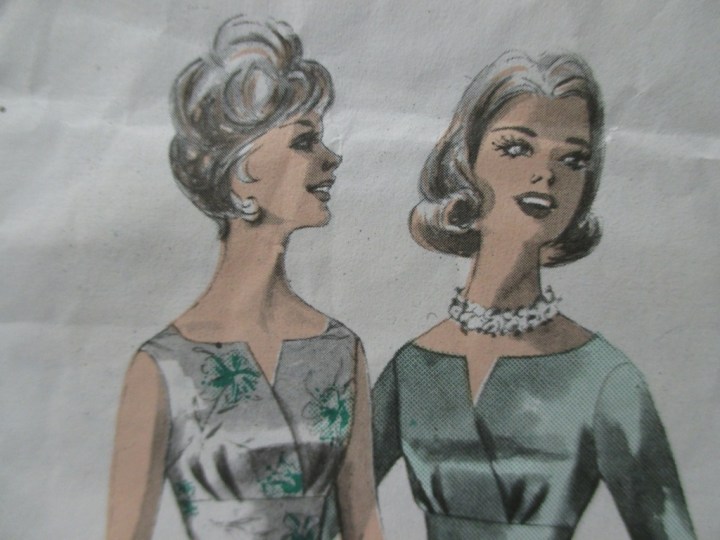
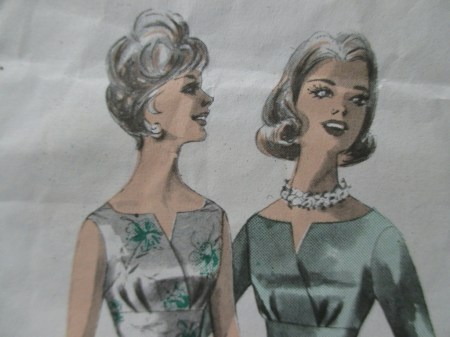
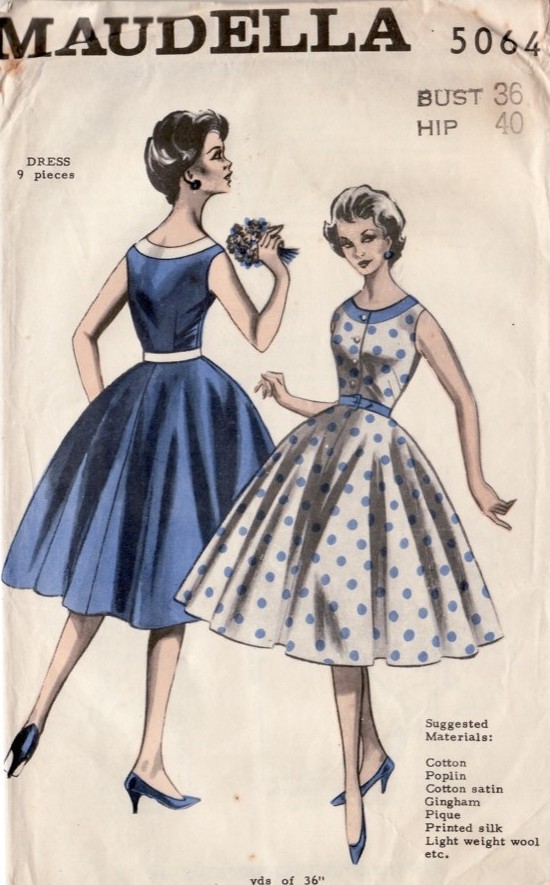
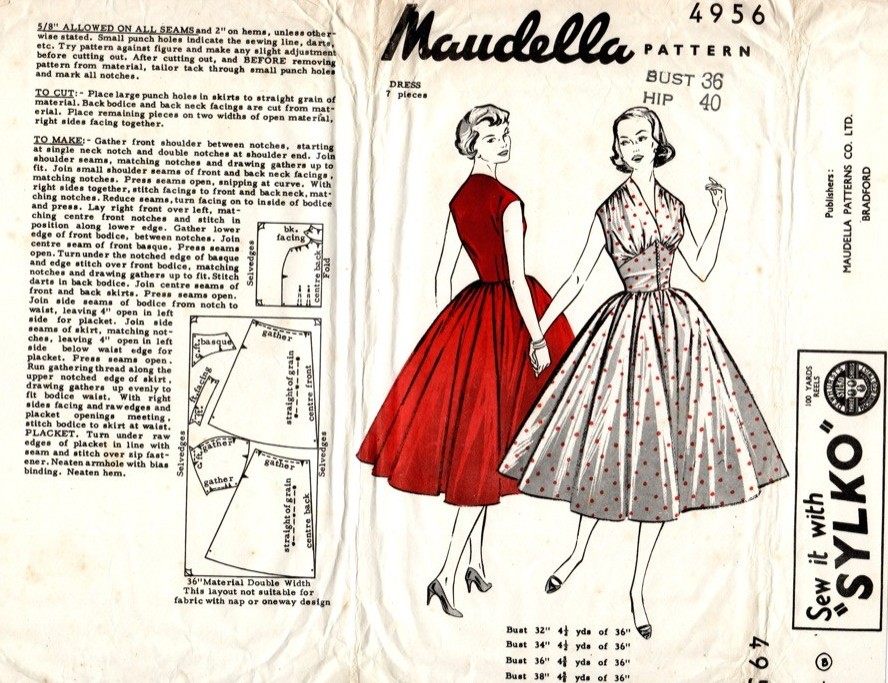
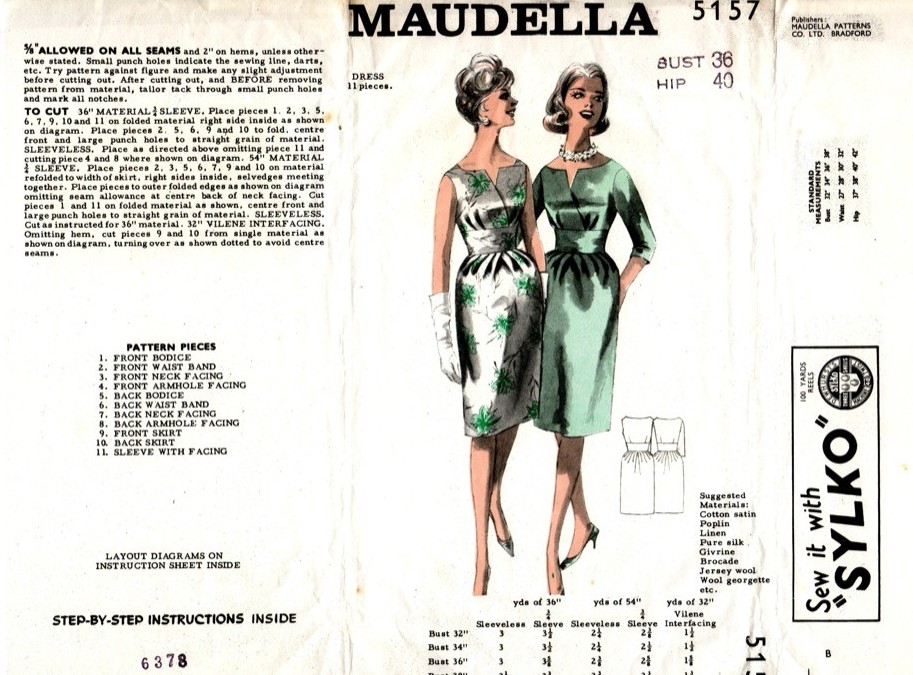
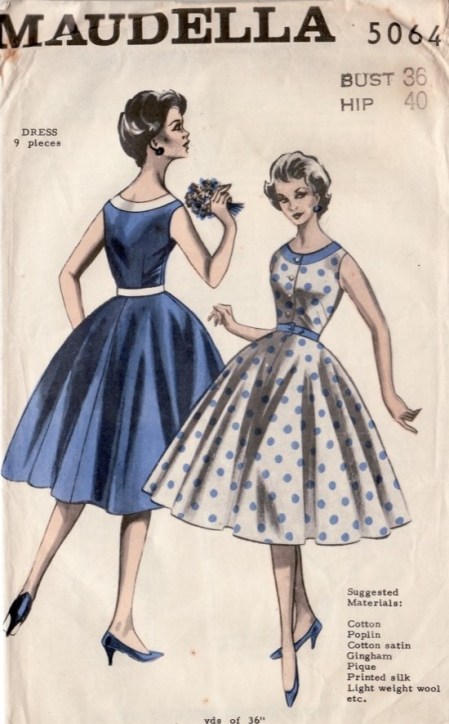
Always on the look out for a vintage pattern bargain, I have picked up a few goodies, including these six Maudella Patterns, all dresses, all beautiful, all unused.

I have not sewn a Maudella pattern before (for more about Maudella, here’s their Facebook fan page), so it will be fun trying a new pattern company.
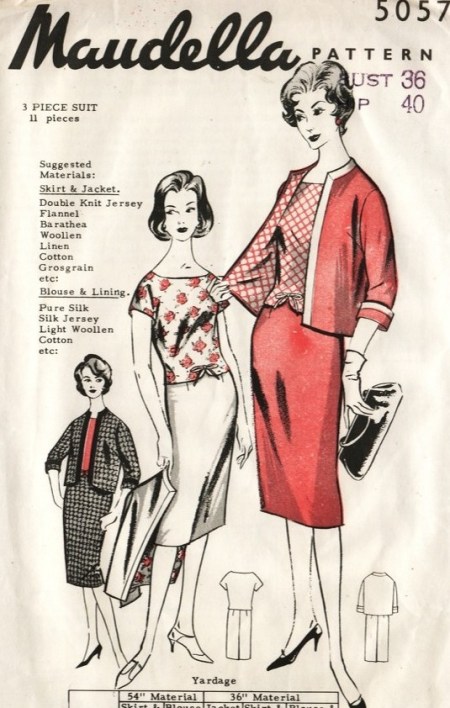
Recently having a few days of work, with more to come (awesome!) I realised I have neglected to create any stylish work staples – or at least finished any! I have a couple of simple skirt and blouse ensembles cut and ready to put together… but alas, with all this summery goodness, it was all about finishing my frocks.

Must sew more dresses!
So this is probably my last Vintage Pattern Love post before I get down to the serious business of finishing some projects….
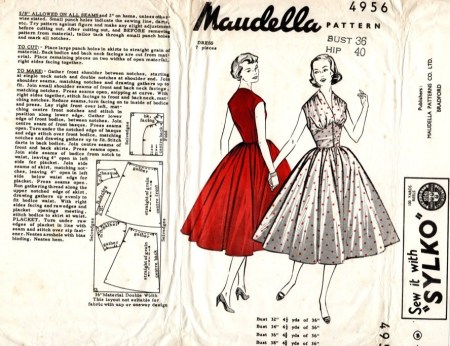
I thought some of my readers would enjoy a close look at some delicious pattern covers, these Maudella covers simply wrap around the pattern pieces and instructions. These two, above and below, are my favourites from this lot, it’s those unusual bodices that really do it for me.

-
unexpected seedling hunt
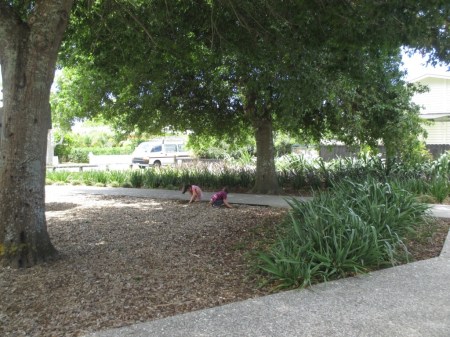
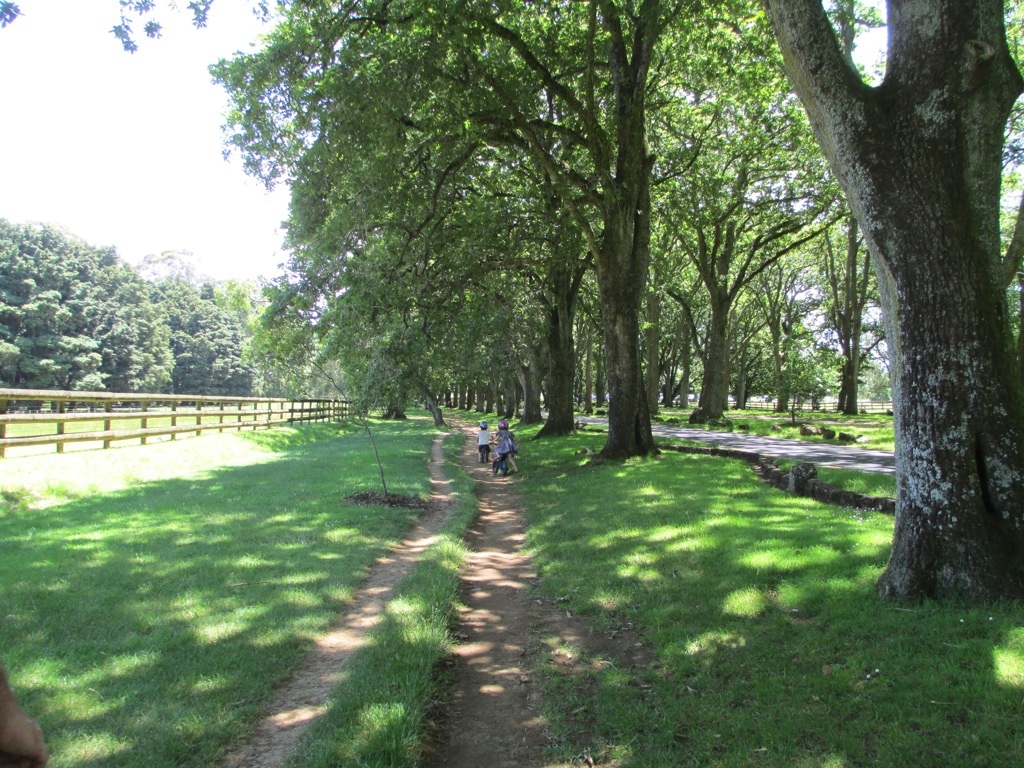
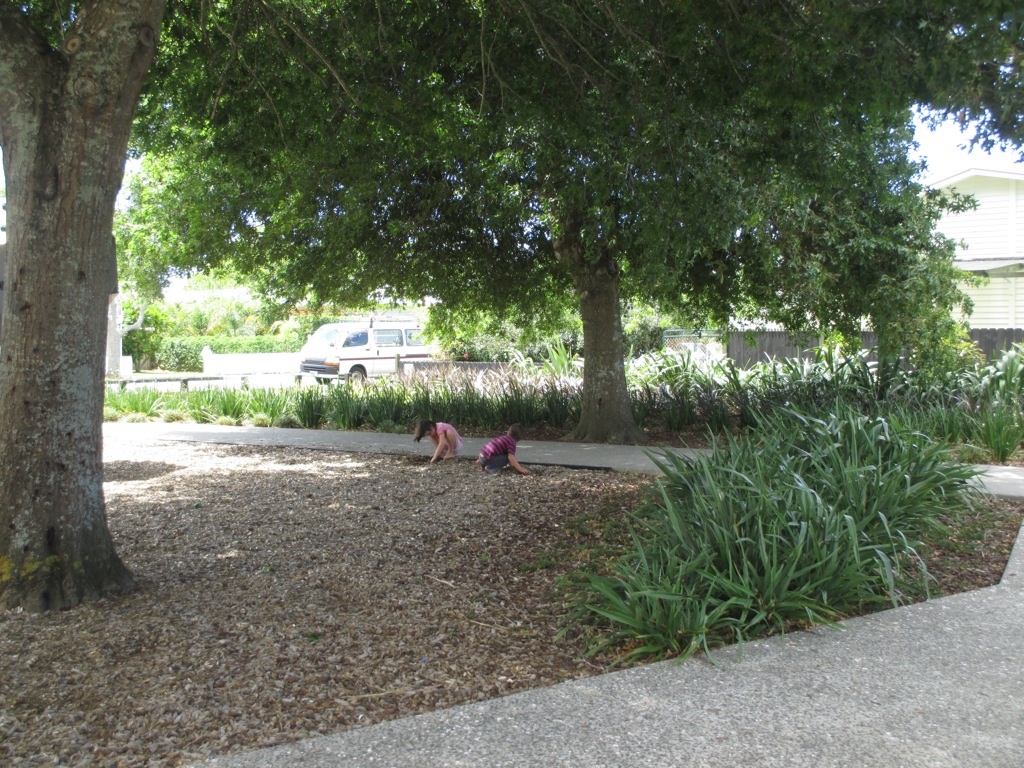
Our planned regular wild play group fell through recently due to illness… but we [all] still needed some fresh air and a change of scene, so we packed our picnic and wandered to a local park and playground. We have been there a few days in a row as both kids have been mastering a climbing structure, over the course of two days, they are both pushing themselves to tackle it from different angles and approaches, and really feeling their success. It’s exciting, but the park usually feels kind of dull, to me anyway!
There are the common exotic oaks, bark chip, lines of flaxes and other smaller native plants. All in lines, not very inspiring as far as outdoor play spaces go. The fairly standard playground equipment, slide, swings etc…. I wasn’t really looking forward to it. I was hanging out for the cup of tea and book I packed.
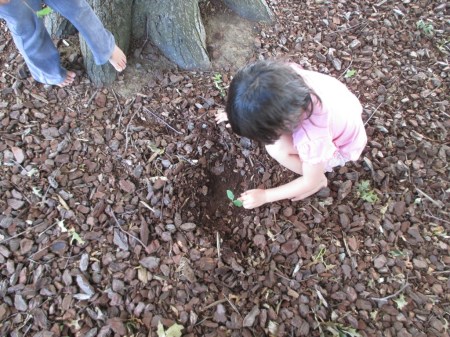
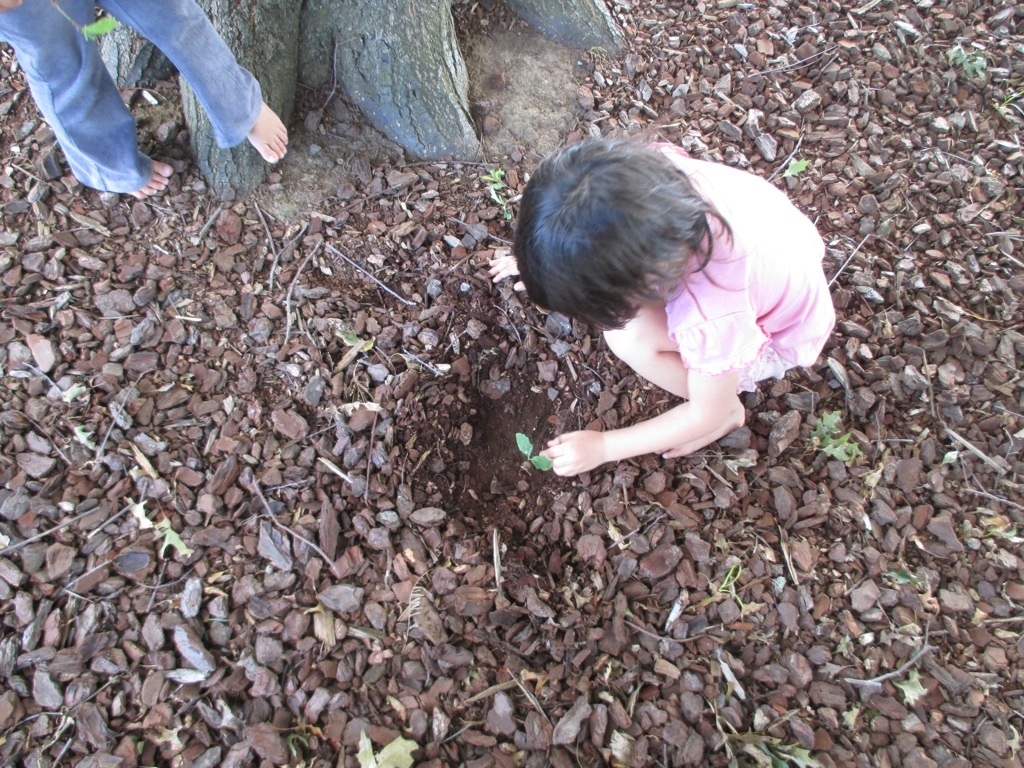
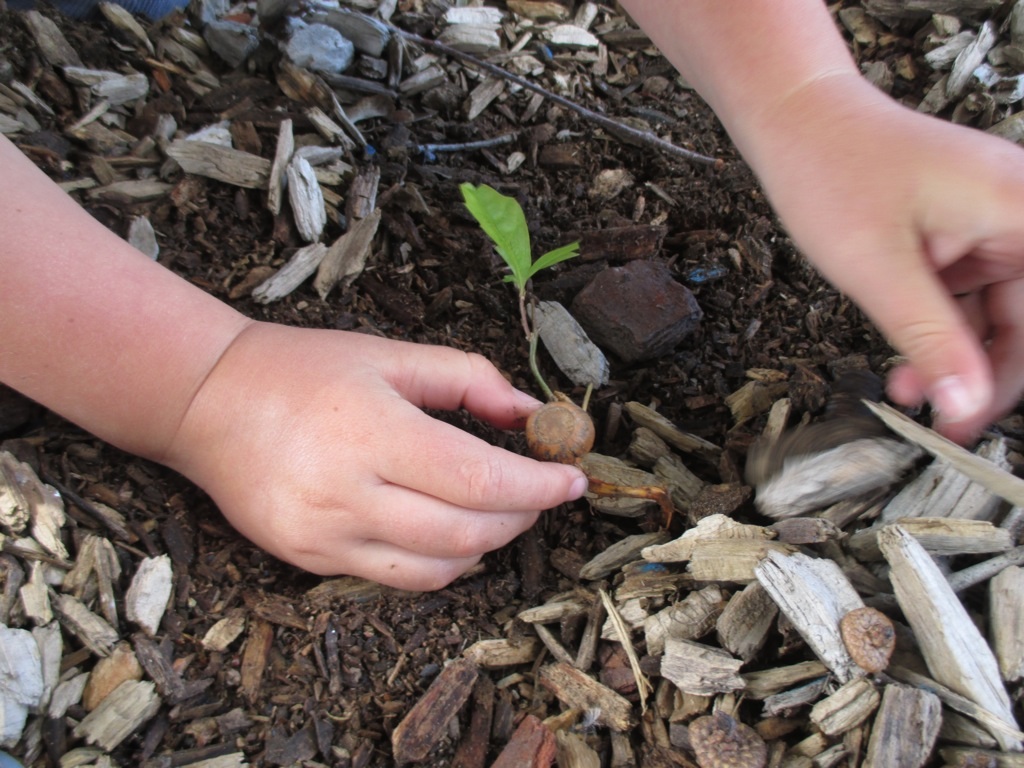
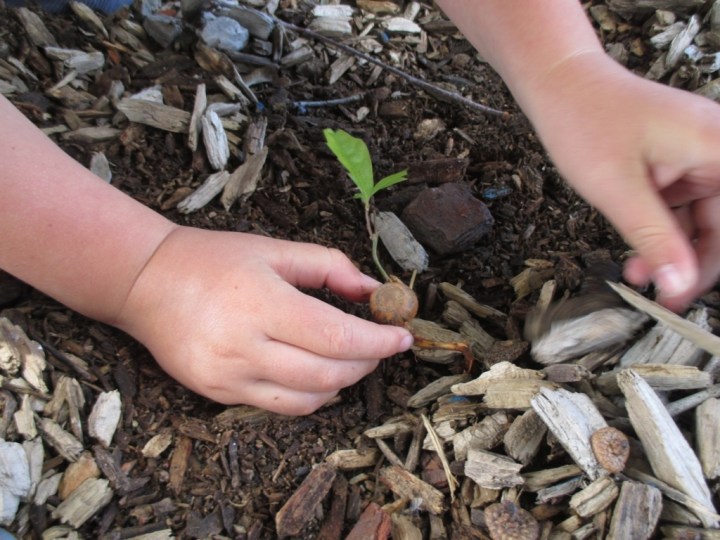
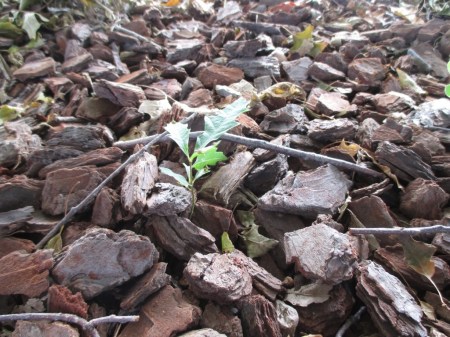
Then the kids started scratching about in the bark, searching for acorns and other treasures… to discover a few seedlings. The more they searched the more they found, excitedly, they looked just like the illustrations of oak seedlings we’ve been reading about in a book, and then the fun really began. Hunting for seedlings, carefully removing the bark and soil holding them in place, they collected a number of specimens to bring home.
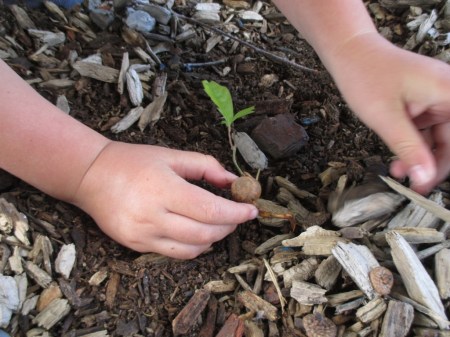
Luna and Blake work hard on something when it captures their interest, and they tell the story of it as they go along, it is an adventure! This was a nice reminder to me that the world is still fresh and holds new discoveries for children, if I can give them space and time.
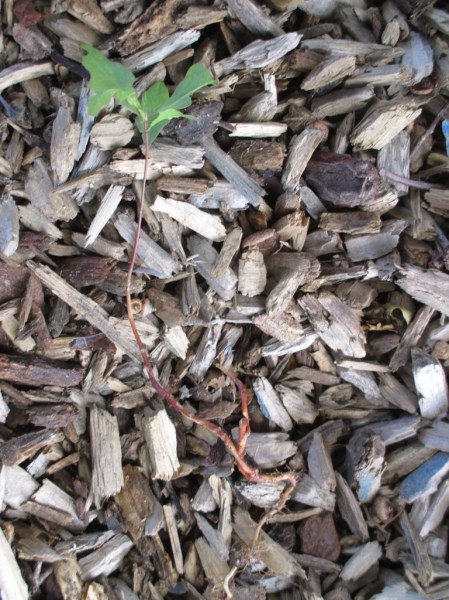
Not many seedlings survived, and I figured that they had as good a chance of surviving in the park as they did being transplanted to our place… They would have been sprayed or uprooted eventually.
I got a bit of cloud watching in too.
-
More glorious vintage patterns…
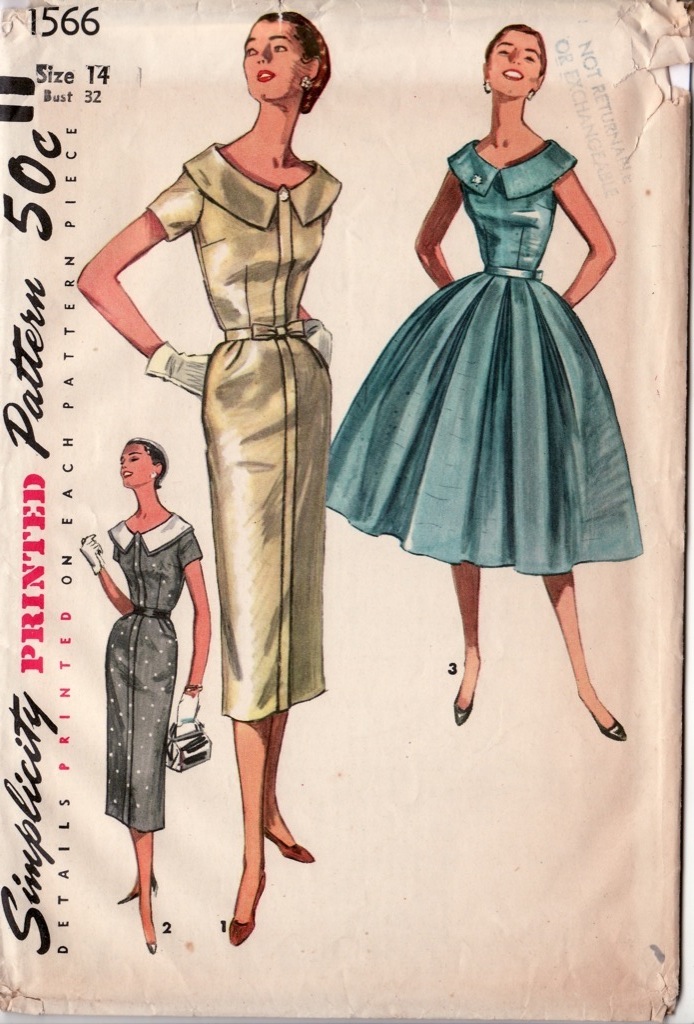
Yes, there are more than this. It’s so exciting, I have to share them in two posts.
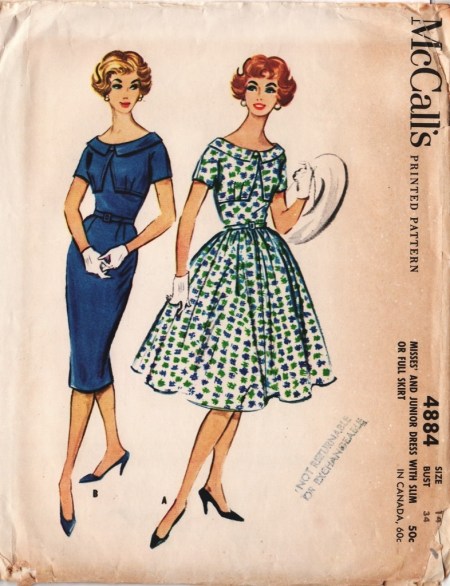
This McCalls number is so sweet, though I can’t see myself in it (Yet).

I love this one, such a great collar on the wee jacket (and damn, that hat is sweet. I wish the pattern was included!)

Yet another fabulous suit pattern that almost makes me wish I had a job that required such an outfit….
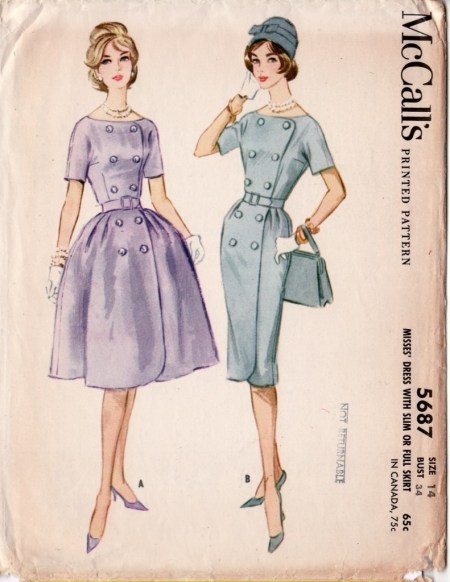
I’m never sure about the double breasted button up…maybe if I had the hat and handbag to match?
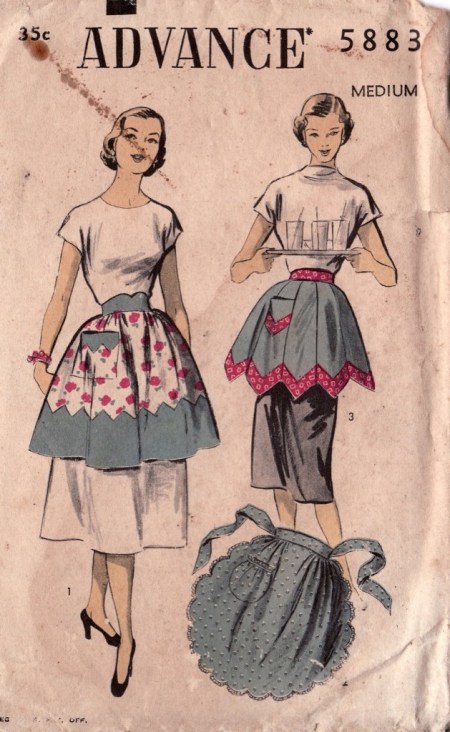
Yes, I will make an apron this year!

I feel hardly worthy to be in the same room as this pattern! (I do love the blue full skirt though…)
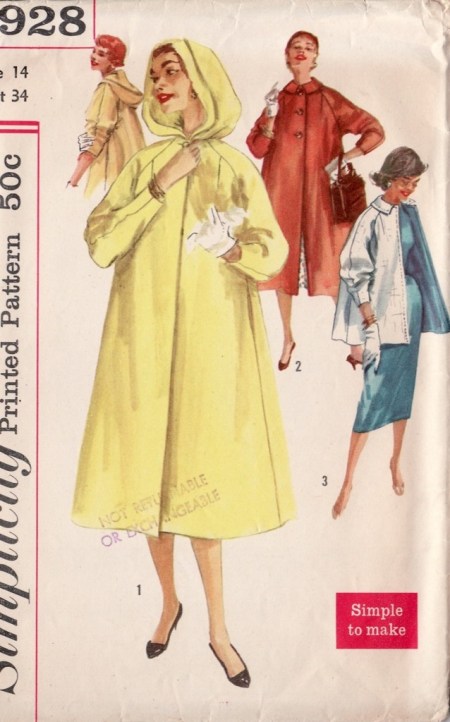
A raincoat with a hood! Yes, I need one, for this winter, if I can source just the right fabric.
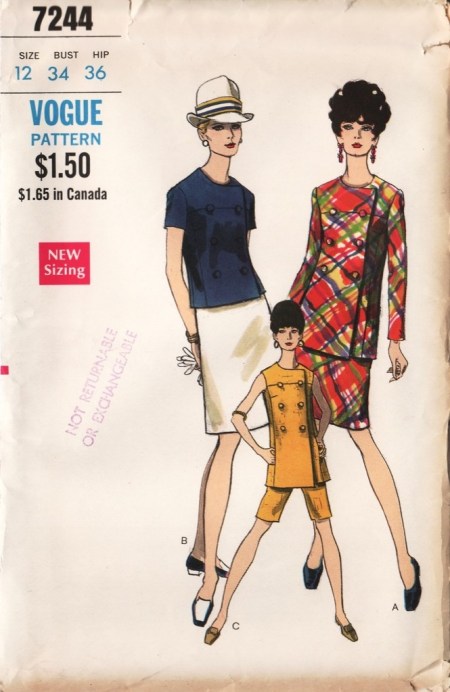
Mod ’60s pattern envelope illustrations are so cool. They remind me of my mums illustrations in her high school sewing work books. The garments and the poses really step away from the 1950s aloof demure women. These are hip girls, and they hardly smile!
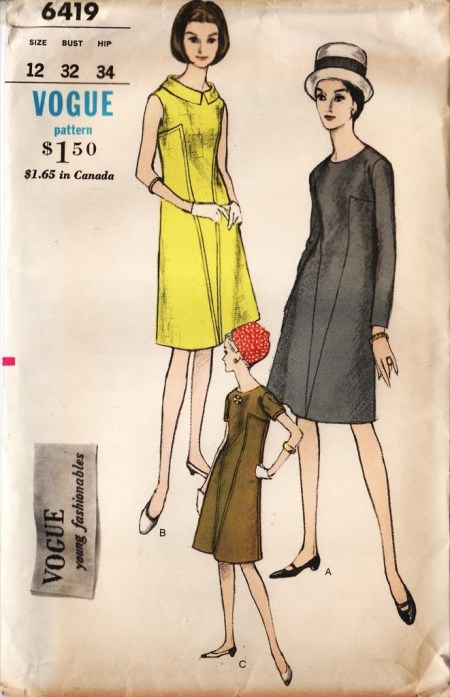
I hope my readers enjoy these as much as I do.
-
James and the Giant peach.
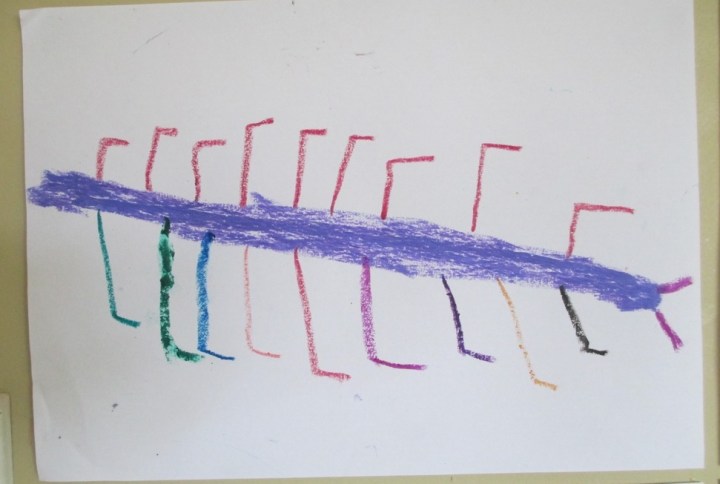
And all his friends… the Lady bug, the Centipede, the Earthworm.
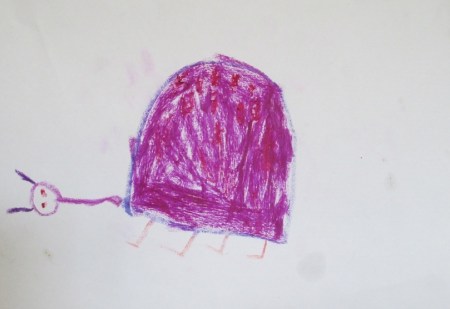
We are big Roald Dahl fans here.
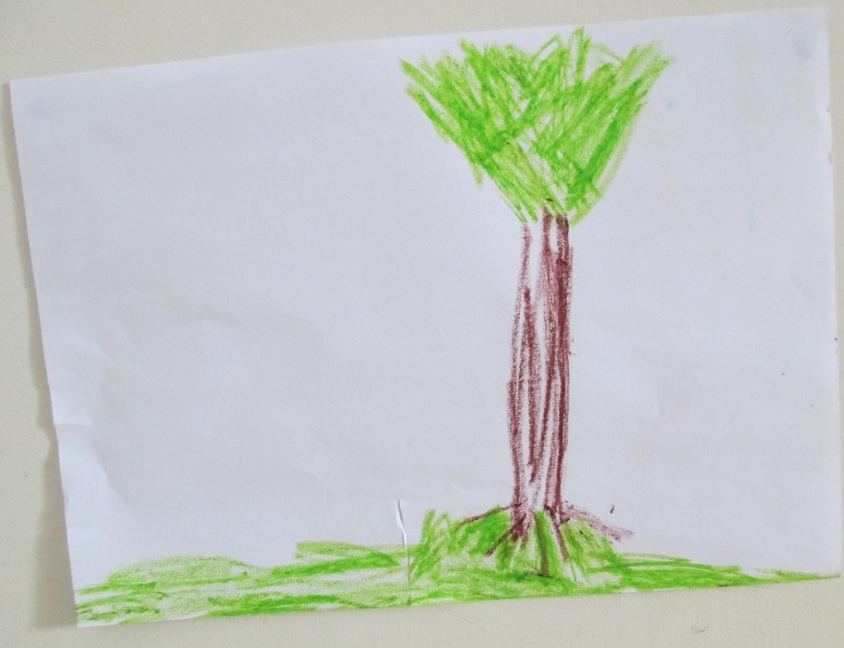
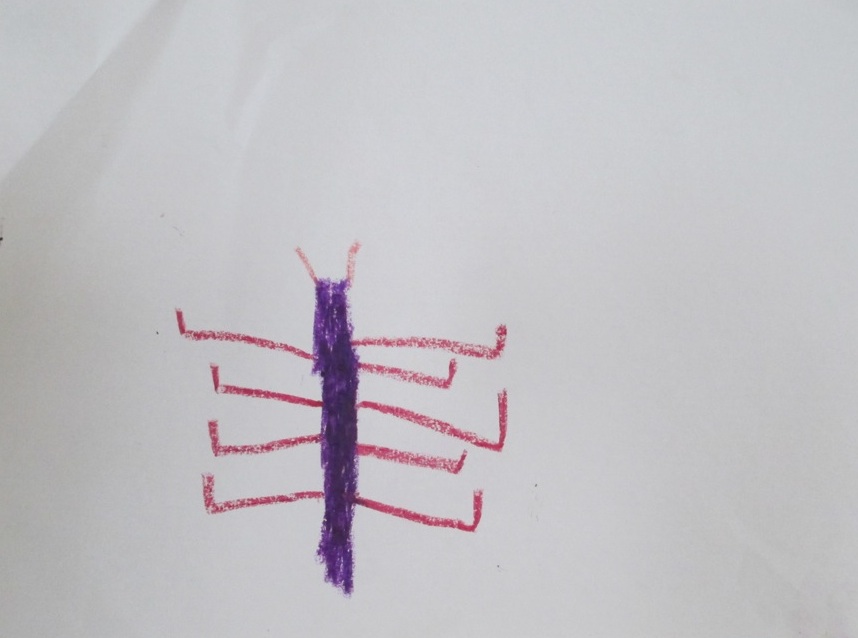
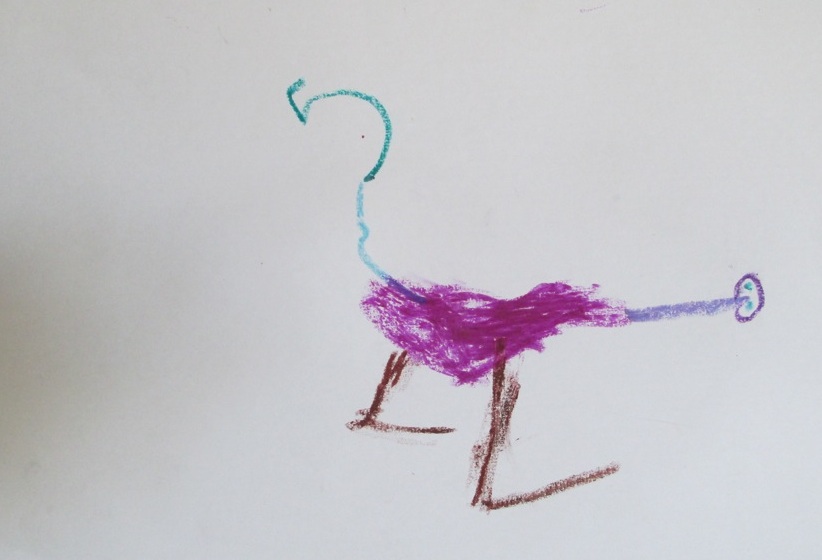
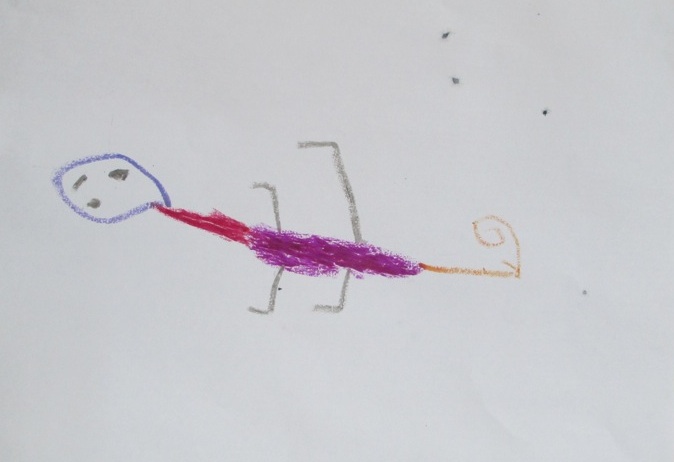
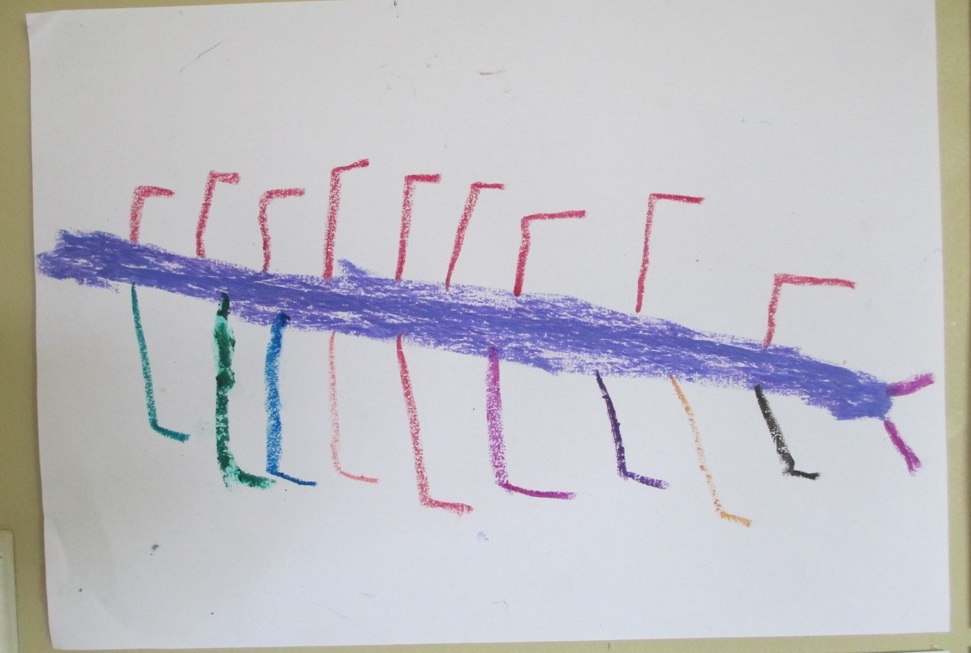
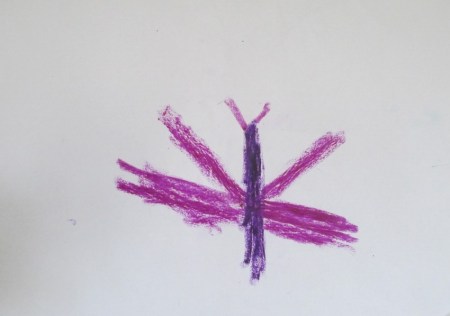
Luna has been really enjoying James and the Giant Peach, we have an audio book which gets lots of air time. It fascinates me when I see the connections in Luna’s activities and how they are expressed. Often there are bursts of intensive activity or reading with a long period of time spent working on something quite specific and with attention to detail, or simply delving deeply into an idea. Our days most often involve homework, like making food, gardening, cleaning and tidying (um, well, sometimes…) and an outing, and some ‘quiet time’ for focused activity, reading or listening to stories, or outdoor free play. There are times when Luna will read a book, like Tintin, to herself, or draw, set up the out door playhouse for a good couple of hours, and these drawings happened one afternoon, she worked on them for more than two hours, until we really had to make room on the table for dinner.
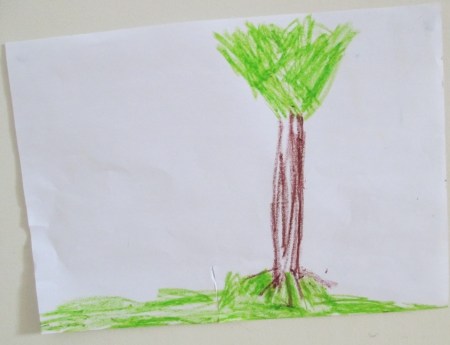
An oak tree.
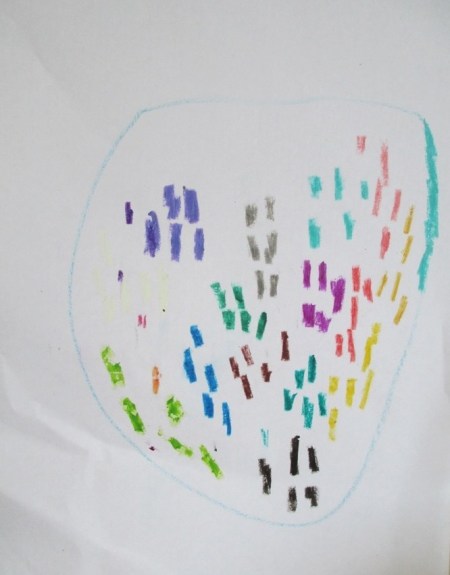
This one above is intriguing, she basically went through each colour crayon, and made five marks each, except for the grey. Kind of like colour swatches.
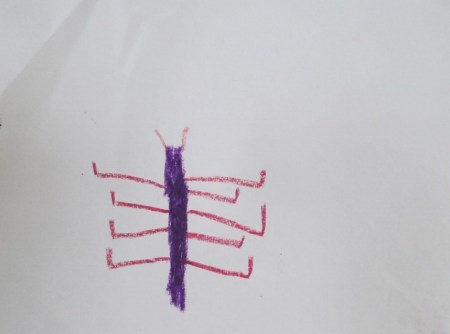
A centipede, and a lady bug, she drew me a huge one, at the top.
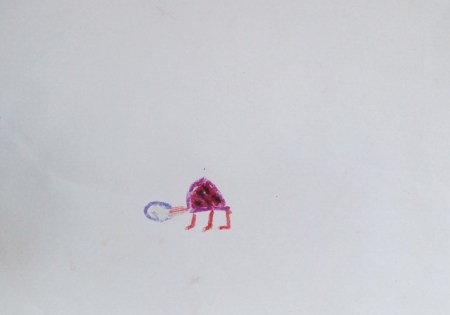
This is a scorpion.
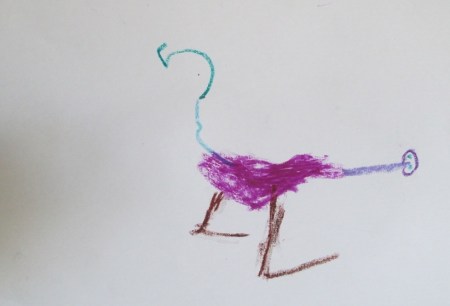
A gecko.
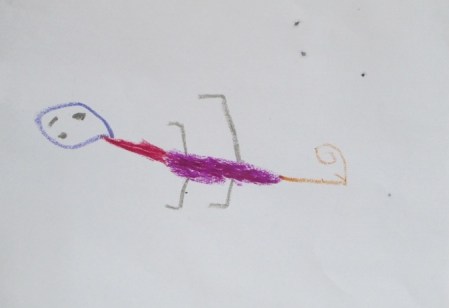
Another centipede.
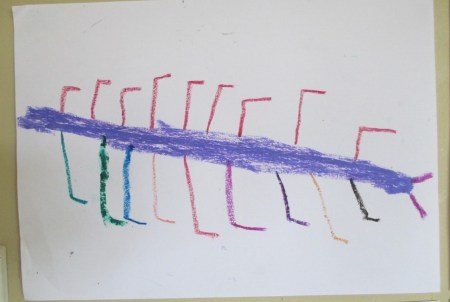
This one, below, is one of several dragon flies.
Aside from all the great drawings and role playing, James and the Giant Peach has also contributed some more creative insults, like “You disgusting little beast!” (Luna shouting at Blake for some minor ? infraction) which has been slightly more challenging to deal with…
artist, writer, curator, mentor